2026 Fashion Week Shows Shockingly Low Plus-Size Representation
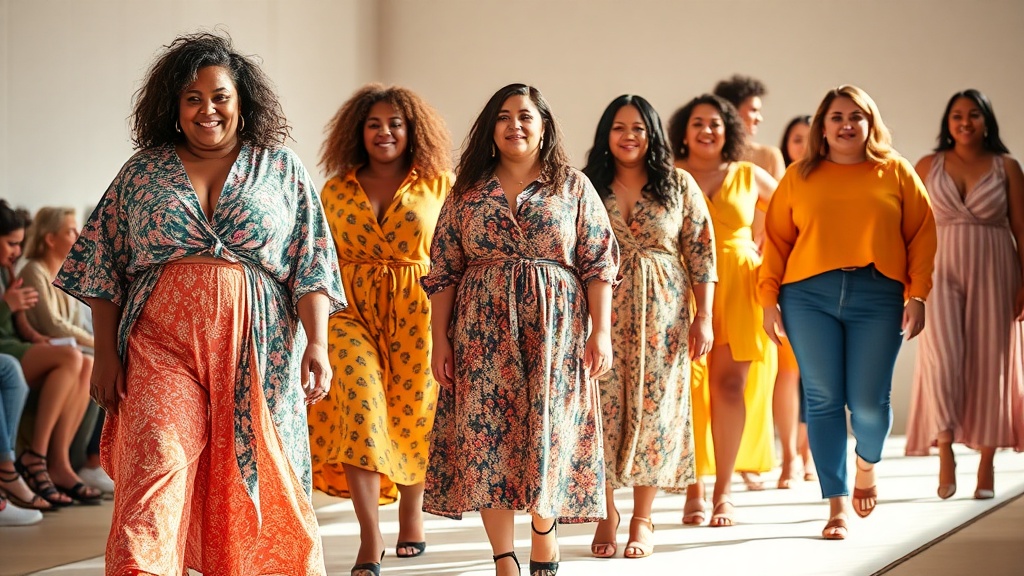
<featured-image src="https://images.realcontent.blog/bodypositive/migrated/fal/f6e974b1bc7e7802.jpg\" alt="Warm inclusive runway with diverse plus‑size models, vibrant colors, uplifting mood" />

Did you notice that only 0.9% of runway looks featured plus‑size models at Fashion Week 2026? That tiny fraction says a lot about where the industry still stands and why we need to keep pushing for genuine inclusion.
What do the latest Fashion Week statistics actually say?
According to a recent analysis by Vogue Arabia, out of 9,038 looks across 198 shows in the major fashion capitals this season, **just 0.9% showcased plus‑size models (U.S. size 14+) and only 2% featured mid‑size bodies (U.S. size 4‑12). The remaining 97.1% were straight‑size (U.S. size 0‑4)【1】.
Why is representation still so low despite the buzz around body positivity?
The numbers feel contradictory to the headline‑grabbing campaigns we see on Instagram. A deeper look reveals two key factors:
- Tokenism over true inclusion – Brands often hire a single plus‑size model for a “diversity” moment, then revert to the same narrow casting for the rest of the show.
- Supply‑chain inertia – Designing and producing garments that fit a broader size range requires re‑tooling patterns, which many houses deem too costly for a few runway seats.
How does this affect everyday people like us?
When the runway – the industry’s most visible platform – continues to marginalize larger bodies, it reinforces the idea that plus‑size fashion is an afterthought. That trickles down to retail shelves, where many stores still stock limited styles in extended sizes, forcing us to hunt for pieces that actually fit and feel good.
What can we do right now to shift the needle?
- Support brands that publish transparent size ranges. Look for companies that share their pattern‑development process and offer consistent sizing across collections.
- Amplify the voices of plus‑size designers and models. Share their work, tag them, and comment on their posts to boost algorithmic visibility.
- Demand accountability from fashion weeks. Write to the organizers, sign petitions, and use the hashtag #SizeInclusiveRunway to keep the conversation alive.
How does this align with Body Positive’s mission?
My background as a therapist taught me that representation matters for self‑esteem. Seeing bodies that look like ours on the runway validates our lived experience and reduces the internalized shame that many of us carry.
Takeaway
The 2026 runway numbers are a stark reminder: genuine body positivity isn’t a marketing buzzword – it’s a systemic shift we still have to fight for. If you’re ready to make a difference, start by choosing to buy from and uplift brands that truly embrace size diversity.
Related Reading
- Why I Stopped Trying to Dress "Flattering" — A personal look at why chasing “flattering” silhouettes often backfires for larger bodies.
- Every Woman's Body Is a Story Worth Celebrating — Celebrating the narratives our bodies carry beyond fashion.
- The Closet Full of Clothes You Can't Wear: A Body Acceptance Issue, Not a Fashion Problem — How industry sizing gaps fill our closets with unloved garments.