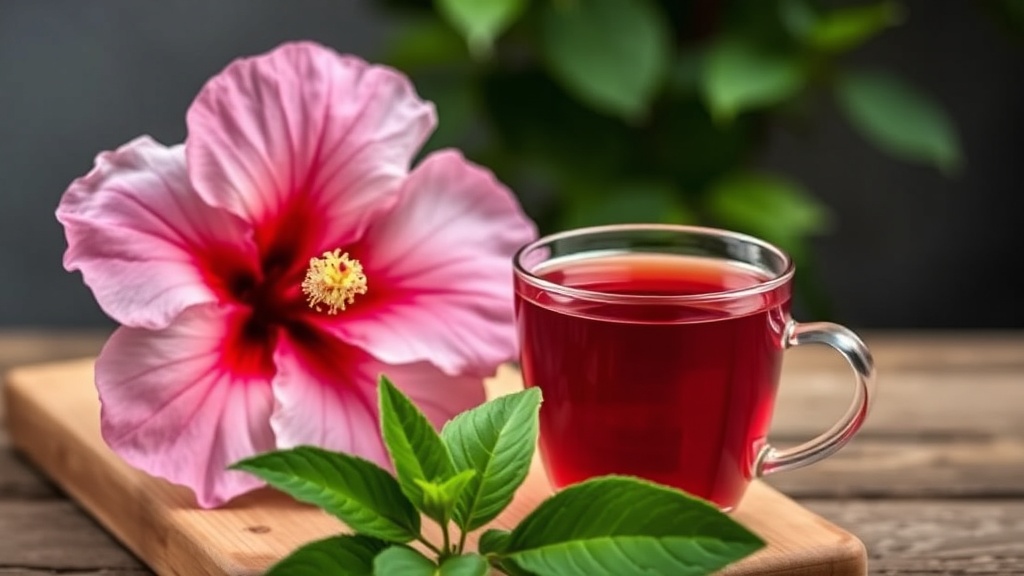
4 Ways to Use Hibiscus Tea for Natural Vitality

Boosting Your Antioxidant Defense
Supporting Healthy Blood Pressure
Nurturing Glowing Skin
A Refreshing Caffeine-Free Ritual
Research indicates that the dried calyces of the Hibiscus sabdariffa plant contain significantly higher concentrations of vitamin C and antioxidants than many common citrus fruits. This potent botanical is more than just a vibrant, ruby-colored infusion; it is a functional tool for supporting metabolic health, managing blood pressure, and combating oxidative stress. This post explores four practical, evidence-based ways to integrate hibiscus tea into your daily wellness routine to support natural vitality and systemic balance.
1. Use Hibiscus Tea to Support Cardiovascular Health
One of the most documented benefits of hibiscus tea is its potential to assist in the management of healthy blood pressure levels. Clinical studies, including research published in the Journal of Hypertension, have suggested that regular consumption of hibiscus tea can have a mild, positive effect on systolic and diastolic blood pressure. This makes it an excellent non-pharmacological addition for those looking to support their cardiovascular system through dietary interventions.
To utilize hibiscus for cardiovascular support, consistency is more important than quantity. Rather than drinking a single large cup once a week, aim for one cup of warm or chilled hibiscus tea daily. The anthocyanins—the pigments responsible for the deep red color—are the primary compounds believed to aid in vasodilation, which helps blood vessels relax.
Practical Application:
- The Daily Ritual: Brew 1 tablespoon of dried hibiscus calyces in 8 ounces of hot water. Let it steep for at least 10 minutes to ensure maximum extraction of the polyphenols.
- Avoid Excessive Sweeteners: To maintain the cardiovascular benefits, avoid adding refined white sugar. If you need a flavor balancer, use a small amount of raw honey or a slice of organic lemon. Excessive sugar intake can counteract the blood-pressure-lowering benefits by promoting inflammation.
- Monitor Your Intake: If you are currently taking medication for blood pressure, consult with your healthcare provider before making hibiscus a significant part of your daily routine, as it can enhance the effects of certain prescriptions.
2. Incorporate Hibiscus into an Antioxidant-Rich Hydration Routine
Oxidative stress occurs when there is an imbalance between free radicals and antioxidants in the body, often leading to cellular damage and fatigue. Hibiscus is exceptionally high in organic acids, such as citric and malic acid, alongside high levels-of vitamin C and anthocyanins. These compounds act as scavengers, neutralizing free radicals and supporting the immune system.
Many people struggle with hydration because plain water can feel uninspiring. Using hibiscus to create "functional infusions" allows you to combine hydration with nutrient density. This is particularly effective during the warmer months or after physical activity when the body requires efficient fluid replacement.
Practical Application:
- The Hibiscus Fruit Infusion: Combine chilled hibiscus tea with sparkling mineral water (such as Gerolsteiner or Perrier) to create a sophisticated, non-alcoholic botanical soda. This provides a refreshing way to hydrate without the phosphoric acid found in traditional sodas.
- Layering with Ginger: For an extra boost to your digestive and antioxidant profile, add freshly sliced ginger root to your hibiscus steep. This mimics the warming properties found in adding ginger to your morning routine, providing a dual-action approach to systemic wellness.
- Iced Tea Packs: Prepare a large batch of concentrated hibiscus tea at the beginning of the week. Store it in a glass pitcher in the refrigerator. This ensures you have a ready-to-go antioxidant boost whenever you feel a dip in energy.
3. Utilize Hibiscus for Digestive and Metabolic Support
While often viewed simply as a beverage, hibiscus tea can play a role in supporting metabolic processes and digestive comfort. The natural acidity of the hibiscus plant can assist in stimulating digestive enzymes, which may help the body break down nutrients more efficiently. Furthermore, some studies suggest that hibiscus extracts may help in managing lipid profiles, specifically by supporting healthy cholesterol levels.
When using hibiscus for metabolic support, it is helpful to view it as a component of a broader nutritional strategy. It works best when paired with whole, unprocessed foods that promote a stable blood sugar response.
Practical Application:
- Post-Meal Digestive Aid: Instead of reaching for a heavy dessert, enjoy a warm cup of hibiscus tea after a meal. The slight tartness can act as a palate cleanser and assist with the sensation of fullness.
- The "Metabolic Mocktail": If you are looking to reduce your intake of processed juices, use hibiscus tea as a base for a mocktail. Mix 4 ounces of strong-brewed hibiscus tea with 2 ounces of coconut water. The electrolytes in the coconut water combined with the antioxidants in the hibiscus create a nutrient-dense beverage that supports hydration and metabolic function.
- Watch the Glycemic Load: When using hibiscus for metabolic health, be mindful of what you add to it. High-fructose syrups or heavy sweeteners can cause insulin spikes that negate the benefits of the tea's natural polyphenols.
4. Leverage Hibiscus for Skin Vitality and Topical Care
The benefits of Hibiscus sabdariffa are not limited to ingestion. The same antioxidants and organic acids that support your internal systems are highly effective when applied topically. Hibiscus is often referred to as "nature's Botox" in the holistic skincare community because of its ability to promote skin elasticity and provide gentle exfoliation through its natural Alpha Hydroxy Acids (AHAs).
Using hibiscus topically is a way to bridge the gap between internal nutrition and external care, ensuring a holistic approach to vitality. This is particularly useful for maintaining a healthy skin barrier and managing dullness caused by environmental stressors.
Practical Application:
- The Hibiscus Facial Toner: Once you have brewed a batch of hibiscus tea, allow it to cool completely. Transfer the liquid into a glass spray bottle. Use it as a facial mist after cleansing to balance your skin's pH and provide a light layer of antioxidant protection.
- Botanical Ice Cubes: Freeze your hibiscus tea into ice cube trays. In the morning, wrap a single hibiscus ice cube in a thin muslin cloth and gently massage it over your face. The combination of the cold temperature (which helps reduce inflammation) and the AHAs in the tea can invigorate the skin and reduce puffiness.
- DIY Botanical Bath: While not a direct replacement for specialized magnesium treatments, adding a concentrated hibiscus infusion to your bath water can provide a sensory, antioxidant-rich experience. For a more complete evening ritual, you might combine this with magnesium baths for better sleep to address both skin vitality and nervous system regulation.
"True vitality is not found in a single 'superfood,' but in the consistent, intentional integration of nutrient-dense botanicals into a balanced lifestyle."
By incorporating hibiscus tea through these four distinct methods—cardiovascular support, antioxidant hydration, metabolic assistance, and topical care—you move beyond simple consumption and into the realm of functional wellness. Whether you are sipping a warm cup to stabilize your blood pressure or using a chilled infusion to refresh your skin, the key is to utilize the plant's natural properties with intention and consistency.