Brewing Calm: A Beginner's Guide to Crafting Your Own Herbal Infusion Rituals

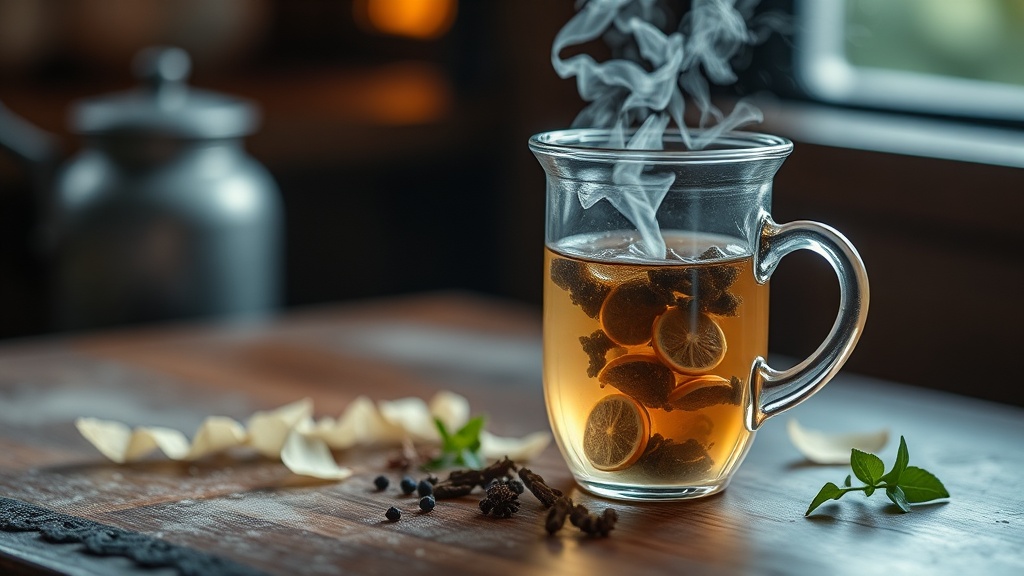
The sun has just dipped below the horizon, leaving a bruised purple light in the sky. The kitchen is quiet, save for the rhythmic hum of the refrigerator. Instead of reaching for the glowing screen of a smartphone or a quick hit of caffeine to power through the final hour of productivity, you reach for a small, amber glass jar. You scoop a tablespoon of dried lavender buds and chamomile flowers into a ceramic mug, the scent slightly dusty and floral. You pour hot—but not boiling—water over the herbs, watching as the liquid slowly transitions from clear to a pale, golden hue. This is not just a beverage; it is a deliberate pause.
Creating an herbal infusion ritual is a practice of sensory grounding. While many view tea-making as a functional task, an infusion ritual treats the process as a meditative tool to regulate the nervous system. By focusing on the tactile sensations—the heat of the mug, the scent of the steam, and the weight of the spoon—you signal to your brain that the period of high-output activity has ended. This guide provides the technical framework to move beyond the tea bag and into the intentional craft of botanical brewing.
The Fundamental Components of a Ritual Space
A ritual requires more than just ingredients; it requires a dedicated environment. To prevent the ritual from feeling like another chore on your to-do list, curate a physical space that minimizes sensory friction. This might be a specific corner of your wooden dining table, a dedicated stone coaster, or a small tray kept in a kitchen cabinet.
Consider these essential tools for your setup:
- A High-Quality Infuser: Move away from disposable tea bags, which often contain microplastics and limit the volume of herbs you can use. Instead, opt for a stainless steel mesh basket infuser or a glass teapot with a removable strainer.
- Temperature-Controlled Kettle: Different herbs react differently to heat. A gooseneck kettle with temperature settings allows you to hit the precise degree required for delicate botanicals.
- Ceramic or Stoneware Mug: The weight and texture of your vessel matter. A heavy, hand-thrown ceramic mug from a local potter provides a grounding tactile sensation that a thin, mass-produced porcelain cup cannot.
Understanding Your Botanicals: The Three Pillars of Infusion
To craft a custom blend, you must understand the functional properties of the herbs you are working with. In the world of holistic wellness, we categorize herbs by their primary effect on the body and mind. A well-rounded infusion usually includes a base, a functional additive, and an aromatic accent.
1. The Base (The Volume)
The base makes up roughly 60-70% of your blend. These are usually larger, more voluminous herbs that provide the structure of the tea. Common bases include Chamomile for gentle sedation, Peppermint for digestive ease, or Rooibos for a caffeine-free, earthy foundation. If you are looking to support your endocrine system during seasonal shifts, incorporating adaptogens for daily stress can be a powerful way to deepen the ritual's efficacy.
2. The Functional Additive (The Intention)
This is the "active" component of your blend, typically making up 20-30%. This is where you select herbs based on a specific physiological or psychological need. For example:
- Nervine Support: If your goal is to quiet a racing mind, add Lemon Balm or Passionflower.
- Digestive Support: If you are experiencing post-dinner heaviness, add Fennel Seeds or Ginger Root.
- Grounding Support: For a sense of stability, use Oat Straw or Ashwagandha.
3. The Aromatic Accent (The Sensory Experience)
The final 5-10% of your blend is dedicated to scent and subtle flavor. This is the most intuitive part of the process. A single dried Rose Bud, a pinch of Calendula petals, or a small piece of Cinnamon bark can transform the olfactory experience, making the ritual feel truly luxurious.
The Step-by-Step Infusion Technique
The difference between a "tea" and a "proper infusion" lies in the extraction time and water temperature. Many people make the mistake of using boiling water on delicate leaves, which "scalds" the botanicals and results in a bitter, astringent taste. Follow this technical protocol for a superior cup:
- Measure the Botanicals: Use one tablespoon of your custom blend per 8 ounces of water. If using whole roots (like ginger or dandelion), you may need to increase the volume slightly.
- Heat the Water: Aim for a temperature between 175°F (80°C) and 190°F (88°C). If you do not have a temperature-controlled kettle, let boiling water sit for two minutes before pouring.
- The Pre-Warm: Pour a small amount of hot water into your mug or teapot, swirl it around to warm the vessel, and discard the water. A warm vessel maintains the temperature of the infusion longer, allowing for a more stable extraction.
- The Steep: Pour the water over the herbs. Cover your mug or teapot with a lid or a small saucer. This is a critical step; covering the vessel prevents the volatile essential oils—the very things that provide the therapeutic scent—from escaping with the steam.
- Timing: For a light, floral tea, steep for 5-7 minutes. For a robust infusion involving roots or barks, steep for 10-15 minutes.
- The Release: Remove the infuser or strain the liquid into your vessel. Observe the color of the liquid and the remaining sediment to understand how much "strength" your blend currently possesses.
Seasonal Ritual Adjustments
Your body’s needs change with the environment. A ritual that feels comforting in the depths of January might feel too heavy during a humid July afternoon. To keep your practice sustainable and effective, adjust your ingredients according to the seasonal cycle.
In Spring and Summer: Focus on cooling and hydrating herbs. Incorporate Hibiscus for a tart, refreshing profile, or Spearmint to lower internal heat. These are lighter, more volatile, and provide a sense of rejuvenation. This aligns well with the need to reset your circadian rhythm as the days grow longer and the light shifts.
In Autumn and Winter: Focus on warming and grounding herbs. This is the time for Cardamom, Clove, and Roasted Dandelion Root. These ingredients are more dense and provide a sense of internal warmth and protection against the elements.
Creating Your First Signature Blend: A Recipe Template
If you are feeling overwhelmed by the sheer variety of dried botanicals, start with this "Grounding & Glow" template. It is designed to be forgiving and highly palatable.
The Grounding & Glow Blend
- 3 parts Chamomile (The Base: Calming)
- 1 part Lemon Balm (The Functional: Nervous System Support)
- 0.5 part Dried Orange Peel (The Aromatic: Brightness and Scent)
- A tiny pinch of Lavender (The Accent: Deep Relaxation)
To begin, I recommend purchasing high-quality, organic dried herbs from reputable sources such as Mountain Rose Herbs or Starwest Botanicals. Avoid the pre-mixed tea bags found in standard grocery aisles, as they often contain "tea dust"—the leftover particles from the production process—which lacks the structural integrity and essential oil content required for a true ritual. By sourcing your own ingredients, you are not just making a drink; you are curating a personal apothecary that honors your body's changing needs.
As you practice this, notice the transition from the "doing" phase of your day to the "being" phase. The ritual is not about perfection or a "perfectly aesthetic" cup; it is about the messy, beautiful reality of taking ten minutes to simply exist with your breath and your botanicals.
Steps
- 1
Select Your Base Herb
- 2
Layer with Functional Botanicals
- 3
Determine the Steeping Time
- 4
Savor the Ritual