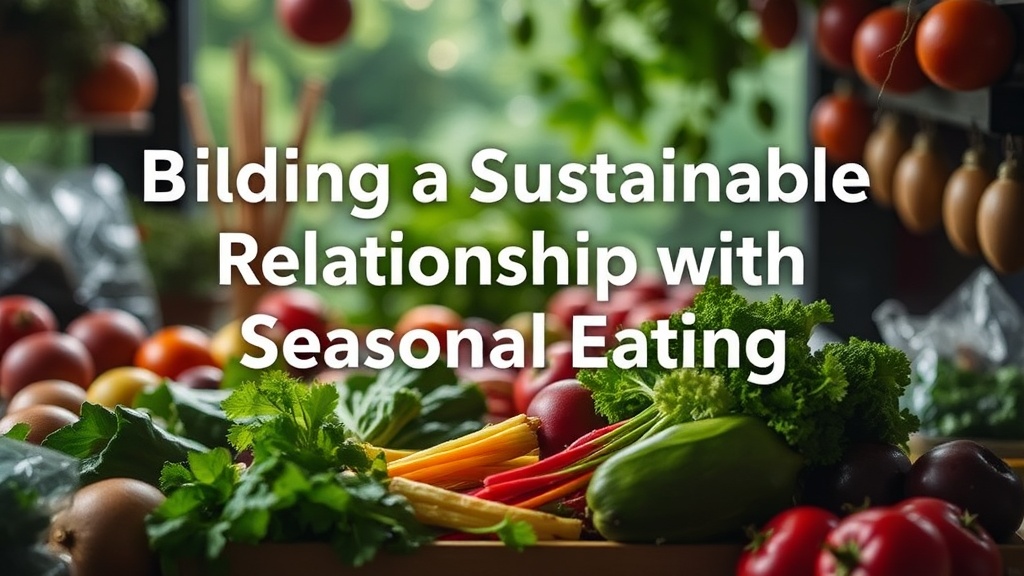
Building a Sustainable Relationship with Seasonal Eating

Do you feel disconnected from the food you eat during different times of the year?
The way we eat often feels disconnected from the natural world around us. Most of us live in a state of constant nutritional availability, where we expect to find the same strawberries in December as we do in June. This disconnect isn't just a matter of grocery shopping; it impacts how our bodies process nutrients and how our energy levels shift through the seasons. When we ignore the natural rhythm of the earth, we often find ourselves feeling sluggish or out of sync with our own biological needs.
Eating in alignment with the seasons means more than just following a trend. It is about recognizing that our bodies require different types of nourishment as the temperature drops or rises. Instead of forcing our systems to adapt to a static diet, we can work with the natural cycles of the earth to support our digestion and energy. This approach moves away from the rigid, year-round rules of modern dieting and moves toward a more intuitive, rhythmic way of living.
Why does seasonal eating matter for digestion?
Digestion is a complex process that reacts heavily to external environmental factors. When the weather turns cold, our bodies often crave warmer, heavier foods to maintain core temperature and support the metabolic load of processing nutrients. Conversely, in the heat of summer, the body leans toward lighter, water-rich foods to stay hydrated and cool. If we try to eat cold salads in the dead of winter, we might find our digestion feeling heavy or sluggish because our internal heat is low.
The concept of "thermal food" is a helpful way to think about this. Warm foods—like stews, root vegetables, and spiced grains—require less energy to break down when the ambient temperature is low. This preserves your body's resources for other functions, like immune support. By paying attention to these shifts, you aren't just eating; you're providing your body with the specific fuel it needs for the current environment. This is a way to support your natural rhythms without the stress of restrictive dieting.
Can seasonal eating help regulate energy levels?
A lot of the fatigue people feel isn't just about lack of sleep; it's about a lack of seasonal alignment. Our circadian rhythms and metabolic processes are deeply tied to light exposure and temperature. When we eat foods that are out of season, we are often consuming produce that was grown under artificial conditions or transported long distances. This can lead to a nutritional gap where the food lacks the peak vitality found in local, seasonal harvests.
Eating local and seasonal produce ensures that you are getting the highest concentration of vitamins and minerals currently available in your immediate environment. For example, during the spring, many plants are high in bitter compounds and fresh greens that help clear out the remnants of winter. In the autumn, the focus shifts to starchy, grounding foods that prepare the body for a period of rest. This cyclical approach helps stabilize energy rather than causing the spikes and crashes often seen with highly processed, non-seasonal diets.
| Season | Focus Food Types | Digestive Goal |
|---|---|---|
| Spring | Bitter greens, sprouts, light herbs | Cleansing and awakening |
| Summer | Water-rich fruits, cooling cucumbers | Hydration and cooling |
| Autumn | Root vegetables, squashes, warming spices | Grounding and preparation |
| Winter | Slow-cooked stews, fermented foods | Warmth and preservation |
How do I start eating seasonally in a modern world?
Starting this practice doesn't require a complete lifestyle overhaul. It starts with small, intentional shifts in your shopping habits. You can begin by looking at what is actually growing in your region right now. Instead of fighting the availability of the grocery store, lean into what is abundant. If you see a high volume of squash in October, make that your primary focus. If berries are peaking in July, enjoy them heavily.
You can also use herbs to bridge the gap. If you are in a season where you need more warmth but struggle to find heavy foods, incorporating warming herbs like ginger, cinnamon, or cardamom into your daily routine can provide that necessary internal heat. This is a gentle way to nudge your system into alignment with the world around you. You aren't trying to control your body; you're simply providing it with better tools for the current environment.
Another way to approach this is through the lens of preparation. In the spring and summer, focus on raw, hydrating foods. As the seasons transition toward autumn and winter, move toward more cooked, fermented, and preserved foods. This isn't about a "diet" with a start and end date; it is about a continuous, flowing relationship with the food that sustains you. By listening to these shifts, you develop a more nuanced understanding of what your body actually needs at any given moment.
For more information on how environmental factors impact human health, you might find the research at the World Health Organization helpful regarding global nutritional trends. Understanding the broader context of how we interact with our environment can help ground your personal practices in a larger reality.
If you are looking for ways to incorporate more whole, unprocessed foods into your routine, exploring the resources at FDA food safety guidelines can give you a clearer picture of how to handle fresh produce and seasonal ingredients safely. This ensures that as you embrace these natural rhythms, you are also maintaining a high standard for your physical well-being.