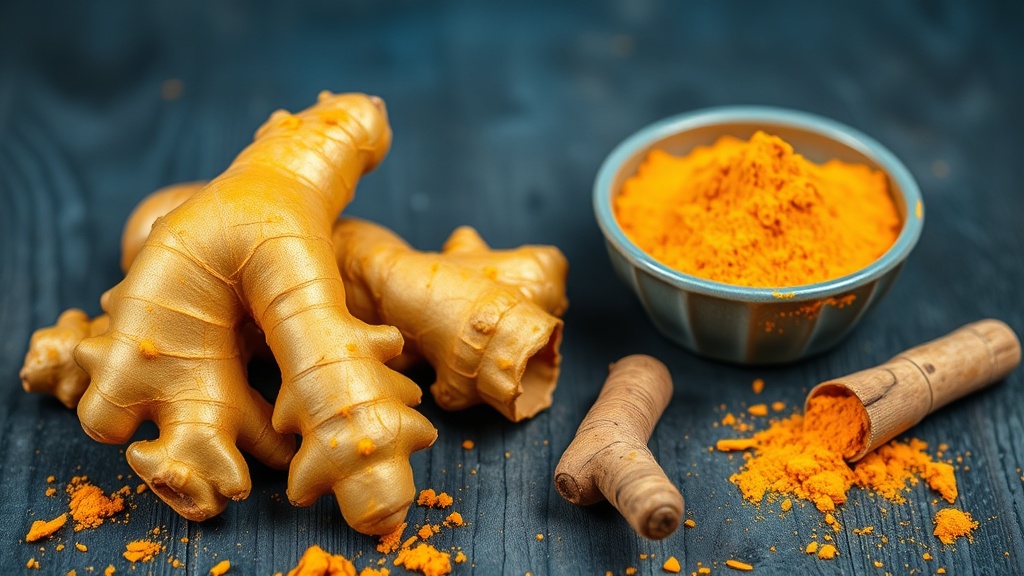
Can Ginger and Turmeric Help Support Digestion and Inflammation?

Understanding the Role of Ginger and Turmeric in Daily Wellness
This guide covers the practical applications of ginger and turmeric for managing digestive discomfort and systemic inflammation through natural, whole-food methods. You'll learn how these two roots interact with your body, how to prepare them, and what to look for when selecting them for your kitchen pantry.
We often hear about these ingredients as trendy additives, but their history is rooted in much more than just a colorful latte. Ginger and turmeric are heavy lifters in the world of botanical support. They don't offer a quick fix—nothing in a natural wellness routine should be expected to work instantly—but they do provide consistent, gentle support for your body's natural processes. If you've ever felt that heavy, sluggish sensation after a meal, or noticed a general sense of systemic discomfort, these roots might be useful tools for your toolkit.
While I spent years watching people try to "fix" their bodies through restriction, I've learned that true wellness often comes from supporting what the body is already doing. These spices work by working with your biology, rather than trying to override it. Let's look at how they actually function.
Why do people use ginger for digestion?
Ginger contains compounds called gingerols and shogaols. These aren't just fancy names; they are the active components that help stimulate the movement of the digestive tract. When we talk about digestion, we're talking about motility—the way food moves from your stomach through your small and large intestines.
If your digestion feels stuck or slow, ginger can act as a gentle nudge. It helps increase the production of saliva and digestive enzymes, which starts the process of breaking down food more efficiently. This is why many people find relief from nausea or that uncomfortable "full" feeling when they use ginger-infused liquids or teas.
- Motility support: Helps move food through the GI tract.
- Nausea relief: A traditional remedy for motion sickness or general stomach upset.
- Enzyme stimulation: Assists in the early stages of digestion.
One thing to keep in mind is that ginger is quite potent. If you're new to it, start small. A thin slice of fresh ginger steeped in warm water is often more effective and gentler than a highly concentrated-capsule version. You want to soothe the system, not irritate it.
How can turmeric combat systemic inflammation?
Turmeric's primary active compound is curcumin. This is where things get a bit more complex. Curcumin is a powerful bioactive-substance known for its ability to interact with inflammatory pathways in the body. However, there is a catch: curcumin is notoriously difficult for the human body to absorb on its own. It's what researchers call "low bioavailability."
This means if you just eat a spoonful of turmeric powder, very little of it will actually make it into your bloodstream. To make it work, you need to pair it with certain elements. The most common way to do this is by adding a pinch of black pepper. The piperine in black pepper can increase the absorption of curcumin by up to 2,000% (a staggering statistic, right?).
When you're looking to use turmeric for its anti-inflammatory properties, remember these three rules:
- Add a fat source: Curcumin is fat-soluble. Stirring it into coconut milk or a meal with olive oil helps it dissolve.
- Include black pepper: Always add a dash of pepper to your turmeric-heavy meals.
- Be consistent: You won't see the benefits from a single dose. It's about the cumulative effect of including it in your daily rhythm.
For more detailed scientific background on how these compounds interact with biological pathways, you can look at the research provided by the