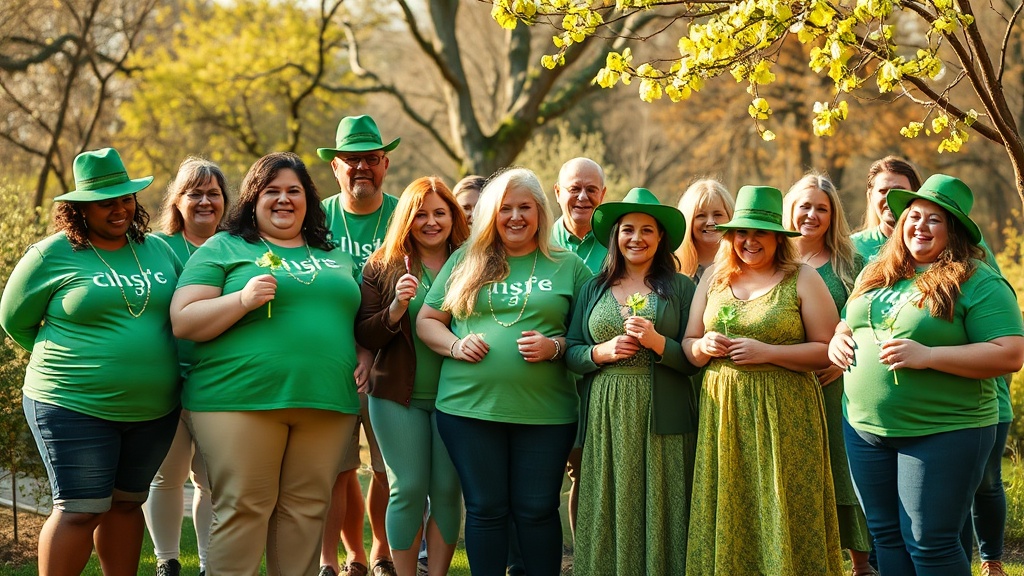
Celebrate St. Patrick's Day: Honor Heritage & Body Positivity

Celebrate St. Patrick's Day: Honor Heritage & Body Positivity
Ever felt the pressure to fit a "green‑and‑glittery" mold for St. Patrick's Day? What if the holiday could become a runway for your own story, culture, and body, instead of a costume you dread?
St. Patrick's Day isn’t just about leprechauns and pint‑sized pints. It’s an invitation to explore the roots that shape us—our family traditions, the foods that comfort us, and the ways we move through the world. When we let that heritage shine, we also give our bodies permission to be celebrated exactly as they are.
Why does heritage matter for body positivity?
Our cultural background colors how we view beauty, food, and self‑care. For many, family gatherings are filled with dishes that defy the "diet‑culture" narrative—think Irish soda bread, corned beef, or hearty stews. Embracing those foods without guilt re‑writes the script that says "my body must look a certain way to honor tradition."
Can a holiday tradition become a self‑acceptance ritual?
Absolutely. Here’s a simple three‑step ritual you can try before the parade:
- Choose a heritage‑focused outfit. Instead of hunting for the loudest green shirt, pick something that reflects your ancestry—a tartan scarf, a vintage Irish‑style dress, or even a shirt with a family crest. Celebrate the story behind the fabric, not the trend.
- Cook or share a traditional dish. Invite friends over for a pot of colcannon or a slice of soda bread. Focus on the flavors that connect you to your roots, not the calories on the label.
- Write a gratitude note to your body. After the meal, jot down three ways your body helped you enjoy the celebration—"my hands kneaded the dough," "my legs carried me through the dance," "my smile brightened the room."
How can I blend Irish symbols with my own cultural identity?
St. Patrick's Day is a great excuse to showcase the mosaic of cultures that make up who we are. If you have Irish ancestry, lean into that. If not, consider pairing the green with symbols from your own background—like a Mexican embroidered shawl or a West African beaded necklace. The juxtaposition tells a story of intersectionality, reminding readers that bodies carry many histories at once.
What if I’m not Irish?
That’s okay! Celebrate the spirit of community and resilience that the holiday represents. You might wear green as a sign of solidarity while adding a piece that honors your own lineage. The key is authenticity—choose items that genuinely resonate with you.
What are common pitfalls and how to avoid them?
- Over‑decorating to fit a stereotype. If you feel forced to wear a shamrock‑covered hat, pause. Choose one piece that feels right and let the rest of your outfit speak for itself.
- Body‑shaming self‑talk. The moment you catch yourself thinking, "I look too big for a green dress," replace it with, "My body is carrying me through this celebration, and that’s worth honoring."
- Eating‑restriction mindset. Instead of skipping the corned beef, savor it. Mindful eating aligns with body‑positive values and lets you enjoy cultural flavors without guilt.
What’s the next step after St. Patrick's Day?
Carry the gratitude you cultivated into everyday life. Keep the gratitude note you wrote, add it to a journal, and revisit it whenever you feel a dip in self‑esteem. Your heritage‑infused ritual can become a seasonal anchor—think of it as a "Cultural Self‑Love" checkpoint you return to each year.
Takeaway
St. Patrick's Day offers more than a chance to wear green; it’s a platform to honor the stories your body carries. By weaving cultural heritage into your celebration, you give yourself permission to love every curve, scar, and smile that shows up on the dance floor. So this March, raise a glass to the ancestors that shaped you—and to the body that lets you celebrate them.