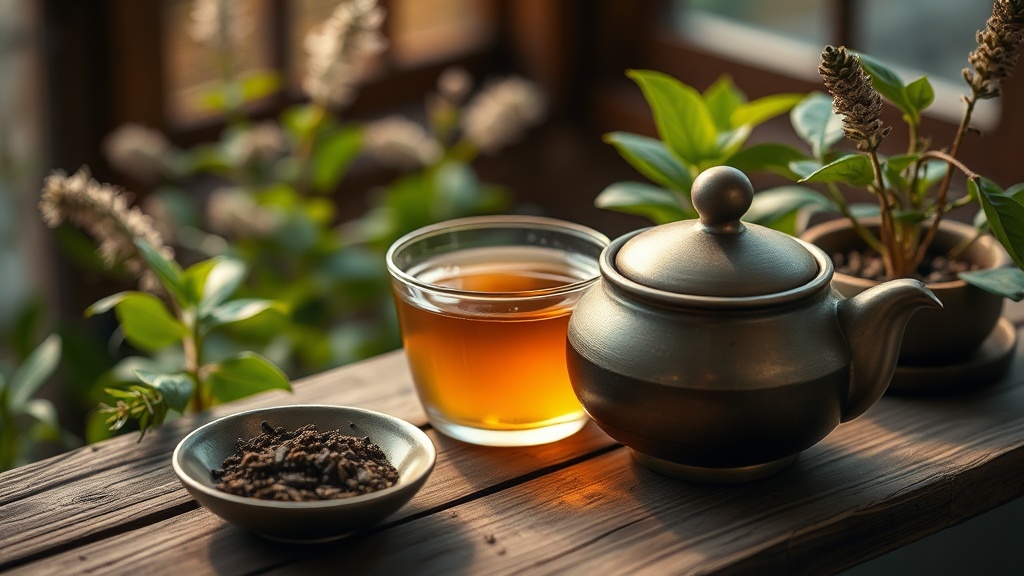
Cultivating a Rhythmic Relationship with Seasonal Tea and Herbs

Why Seasonal Shifts Change Your Body's Needs
Nearly 70% of people report feeling a significant dip in energy or mood when the seasons transition, yet many ignore the biological cues their bodies are sending. This isn't just about the weather; it's about how shifts in temperature, light, and humidity affect our internal chemistry. When we ignore these cycles, we often end up fighting against our own natural rhythms rather than working with them. This post explores how using specific herbs and infusions can help you align your internal state with the external world, moving away from the constant pursuit of 'perfect' wellness and toward a more grounded, seasonal awareness.
We often treat our bodies like machines that should perform at the same level in January as they do in July. This is a mistake. Our digestive fire, our energy-producing capacity, and even our sleep cycles are deeply influenced by the environment. Instead of forcing a rigid routine, we can look toward the plant kingdom to find a softer way to transition. Whether it's the warming properties of ginger in the winter or the cooling, hydrating qualities of hibiscus in the summer, these natural elements provide a way to support our systems without the pressure of a 'perfect' regimen.
Can Hibiscus and Mint Help Cool a Hot Summer Body?
When the temperature climbs, our bodies often feel heavy, sluggish, or even inflamed. This is often a sign that our internal systems are working overtime to cool us down. During these months, relying on heavy, hot beverages can actually make the problem worse. Instead, looking toward cooling herbs can be a helpful way to soothe the system. Hibiscus, for example, is known for its ability to help manage blood pressure and provide a refreshing, tart flavor that doesn't rely on heavy sugars. It's a great way to stay hydrated while supporting your circulatory system.
Mint is another wonderful tool in this context. It's more than just a flavor; it has a cooling effect on the digestive tract. If you feel that mid-summer bloating or discomfort, a simple infusion of peppermint can help settle the stomach. It's about listening to that physical sensation—the heat in your chest or the heaviness in your limbs—and offering your body a gentle, cooling response. You aren't trying to 'fix' yourself; you're just providing the right kind of support for the current climate.
Do Warm Herbs Help with Winter Digestion?
As the air turns cold and the days get shorter, our bodies naturally crave warmth and stability. This is a biological way of seeking safety and energy conservation. If you find yourself feeling depleted or dealing with a sluggish digestive system during the colder months, you might benefit from herbs that possess warming properties. Think of ginger, cinnamon, or cardamom. These aren't just spices; they are tools to help stimulate the 'digestive fire' (or what many traditional systems refer to as Agni).
A warm, spiced tea can do more than just warm your hands. It can help move stagnant energy and support a digestive system that might be struggling with heavier, more complex foods. When we use these warming elements, we aren't just eating for taste; we're eating to support our metabolic rhythm. This isn't about a strict diet or a restrictive list of 'good' foods. It's about recognizing that a certain type of nourishment feels better for your body when the thermometer drops. You can find more information on the properties of various spices through the National Center for Biotechnology Information regarding their physiological effects.
How Can I Use Herbs to Support My Natural Sleep Cycles?
Sleep is perhaps the most disrupted part of our modern rhythm. As the seasons change, our circadian rhythms—the internal clock that tells us when to be awake and when to rest—can get a bit wonky. If you find yourself staring at the ceiling at 2:00 AM, it might be time to look at your evening ritual. Instead of reaching for a supplement, consider the ritual of a warm infusion. This is a way to signal to your nervous system that the day is over and it's safe to slow down.
Chamomile is a classic for a reason, but it isn't the only option. Lemon balm, for instance, is a gentle nervine that can help quiet a racing mind. The act of making tea is just as important as the herb itself. The process of boiling water, steeping the leaves, and feeling the warmth of the mug provides a sensory cue to your brain. It's a small, non-demanding way to practice self-care that doesn't require a gym membership or a complex app. It's just you, a mug, and a bit of plant magic.
When we approach wellness this way, we strip away the pressure to be 'optimized.' We aren't trying to reach a peak state of performance. We are simply trying to live in a way that feels sustainable and compassionate toward our changing needs. This might mean more tea in the winter and more water in the summer. It might mean changing your favorite flavors as the months progress. This isn't a problem to be solved; it's a cycle to be lived. For more on the history of botanical uses, the Britannica Encyclopedia offers deep dives into various plant species.
| Season | Body Sensation | Recommended Herb |
|---|---|---|
| Spring | Congestion/Lethargy | Nettle or Dandelion |
| Summer | Heat/Inflammation | Hibiscus or Peppermint |
| Autumn | Transition/Unsettled | Lemon Balm or Elderberry |
| Winter | Cold/Slow Digestion | Ginger or Cinnamon |
The goal is to find what works for *you* in the moment. If a certain tea makes you feel grounded, keep it in your pantry. If another makes you feel revitalized, use it when the afternoon slump hits. There is no right or wrong way to do this—there is only what feels supportive to your unique body right now.