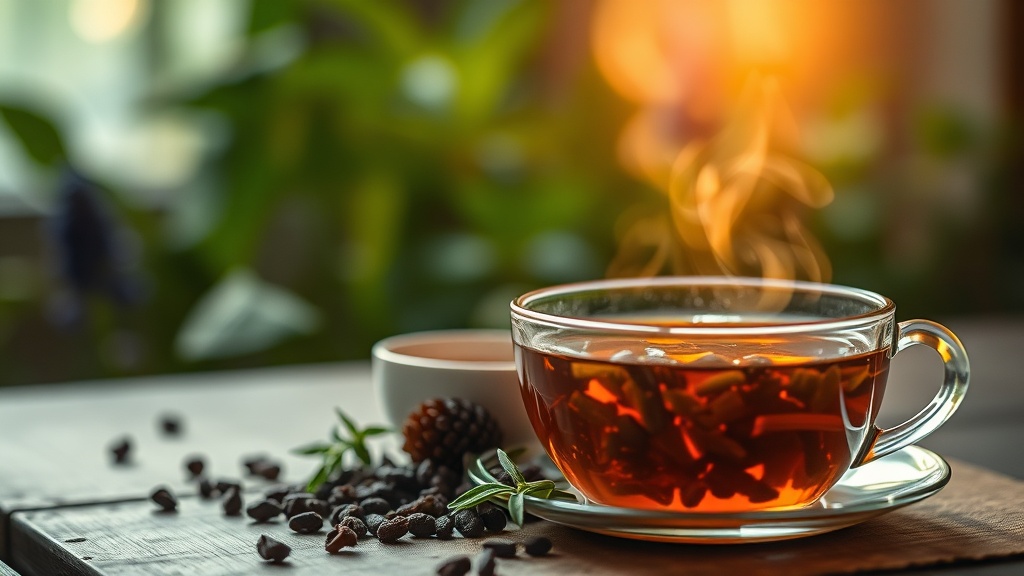
Embracing Herbal Teas: A Gentle Path to Daily Wellness

This post explores how herbal teas can support daily wellness routines without the caffeine jitters or complicated rituals. You'll discover which specific blends work best for common concerns—sleep, digestion, stress—and how to choose quality teas that actually deliver on their promises. Whether you're looking to replace an afternoon coffee habit or build a soothing evening ritual, there's a practical path forward that doesn't require a complete lifestyle overhaul.
What Are the Best Herbal Teas for Relaxation and Sleep?
The best herbal teas for relaxation and sleep typically contain chamomile, valerian root, passionflower, or lemon balm. These herbs have been studied for their mild sedative effects and ability to reduce the time it takes to fall asleep.
Let's be honest—counting sheep doesn't work for most people. (And scrolling through your phone at 2 AM definitely doesn't help.) Chamomile stands out as the gentle giant here. Traditional Medicinals Organic Nighty Night tea combines chamomile with passionflower—a blend that's been a bedside staple for years. The taste is mild, slightly apple-like, and doesn't require honey to be palatable.
Valerian root packs more punch but comes with a catch. Some people describe the smell as "earthy"—others call it downright funky. That said, valerian works. Pukka's Night Time blend masks the root's pungency with lavender and licorice. Worth noting: valerian can cause vivid dreams. Some folks love this. Others—not so much.
"Herbal teas containing chamomile and valerian have shown modest but consistent effects on sleep quality in clinical trials," notes the National Center for Complementary and Integrative Health.
Lemon balm deserves more attention than it gets. It's gentler than valerian—perfect for those afternoons when you need to unwind but still function. Celestial Seasonings Tension Tamer combines lemon balm with eleuthero root (a mild adaptogen) and peppermint. The result? A tea that calms without knocking you out.
Here's the thing about timing. Sleep teas work best when consumed 30–45 minutes before bed—not right as your head hits the pillow. Your body needs time to absorb the compounds. Brewing strength matters too. A weak cup won't do much. Steep for at least 5 minutes, covered, to keep those volatile oils from escaping.
Can Herbal Tea Actually Help With Digestion?
Yes, certain herbal teas can help with digestion by stimulating bile production, reducing bloating, and easing stomach discomfort. Peppermint, ginger, and fennel are the heavy hitters here.
Peppermint tea is the classic go-to for a reason. The menthol in peppermint relaxes the muscles of the gastrointestinal tract. That cramping after a heavy meal? Peppermint soothes it. But—and this matters—peppermint can worsen acid reflux for some people. If heartburn is your issue, skip the mint.
Ginger tea offers a spicy alternative. It speeds up gastric emptying (how quickly food leaves your stomach). For nausea—whether from motion sickness, pregnancy, or just eating something questionable—ginger is genuinely effective. Yogi Tea's Ginger tea blends organic ginger with lemongrass and black pepper. The pepper isn't just for flavor; it enhances ginger's absorption.
Fennel tea tastes like licorice but works differently. It reduces gas and bloating by relaxing the gut and allowing trapped air to move through. Traditional Medicinals makes a straight fennel tea that's strong—almost medicinal. Some people love it. Others find it overwhelming. A gentler option? Heather's Tummy Teas Organic Fennel, which is specifically formulated for IBS symptoms.
| Tea | Best For | Taste Profile | Caution |
|---|---|---|---|
| Peppermint | Gas, cramping, general discomfort | Cool, minty, refreshing | Avoid with acid reflux |
| Ginger | Nausea, slow digestion, motion sickness | Spicy, warming, slightly sweet | Can interact with blood thinners |
| Fennel | Bloating, IBS symptoms | Sweet, anise-like, licorice | Avoid in pregnancy |
| Dandelion Root | Liver support, water retention | Earthy, bitter, coffee-like | Diuretic effect—timing matters |
Dandelion root tea deserves a mention for those mornings when you feel puffy. It's a gentle diuretic—meaning it helps your body release excess water. The roasted version (like Teeccino Dandelion Dark Roast) tastes surprisingly like coffee. Not exactly, mind you—but close enough to satisfy that craving without the caffeine crash.
Which Herbal Teas Provide Natural Energy Without Caffeine?
Herbal teas that boost energy without caffeine typically contain adaptogenic herbs like ashwagandha, rhodiola, or eleuthero. These don't stimulate like coffee—they support your body's stress response, which can reduce fatigue over time.
The catch? Adaptogens don't work immediately. Unlike coffee's instant jolt (followed by the inevitable crash), herbs like rhodiola build up in your system. Most people notice effects after 1–2 weeks of daily use. It's a different relationship with energy—sustainable rather than borrowed.
Rishi Tea's Turmeric Ginger blend isn't strictly an energy tea, but it wakes up the senses. The combination of turmeric, ginger, and black pepper creates a warming, invigorating effect. Some people swear by it as a coffee replacement. Others drink it alongside their morning cup, gradually reducing the caffeine.
Ginseng tea is the most studied for fatigue. Panax ginseng (also called Asian or Korean ginseng) has shown benefits for mental performance and physical stamina. The Office of Dietary Supplements provides detailed information on dosage and potential interactions. Republic of Tea's Ginseng Peppermint combines the herb with mint for a more palatable brew.
Nettle tea offers a quieter kind of energy. It's nutrient-dense—packed with iron, magnesium, and calcium. For people whose fatigue stems from low iron (common in menstruating women), nettle can help over time. The taste is grassy, slightly earthy. Some describe it as "green." It's not exciting—but it's nourishing.
Building a Tea Ritual That Sticks
Rituals don't have to be elaborate to work. The power lies in consistency, not complexity. A simple routine—boiling water, selecting a tea, waiting for it to steep—creates a pause in the day. That pause matters.
Start with one cup. Morning, afternoon, or evening—whatever fits. Keep the tea visible. Out of sight really does mean out of mind. A small basket on the counter works better than a cluttered cabinet you'll forget to open.
Temperature matters more than most people realize. Green teas (yes, even herbal blends with green tea bases) need cooler water—around 175°F. Most pure herbal teas can handle boiling water. Invest in a simple electric kettle with temperature settings. The OXO Brew Adjustable Temperature Kettle gets the job done without breaking the bank.
Don't get caught up in "perfect" brewing times. Five minutes is a safe default for most herbal teas. Longer isn't necessarily better—some herbs get bitter. Shorter isn't usually effective—you need time for the compounds to extract.
That said, the best tea is the one you'll actually drink. If you hate the taste of chamomile, don't force it. There are dozens of sleep blends with different flavor profiles. Keep experimenting until something clicks.
The beauty of herbal tea as a wellness practice? It's accessible. No expensive equipment required. No certification needed. Just hot water, dried plants, and a few minutes of stillness. In a wellness industry obsessed with optimization and biohacking, there's something quietly revolutionary about such a simple act.
Your body doesn't need another complicated protocol. Sometimes it just needs a warm cup, a deep breath, and permission to slow down.