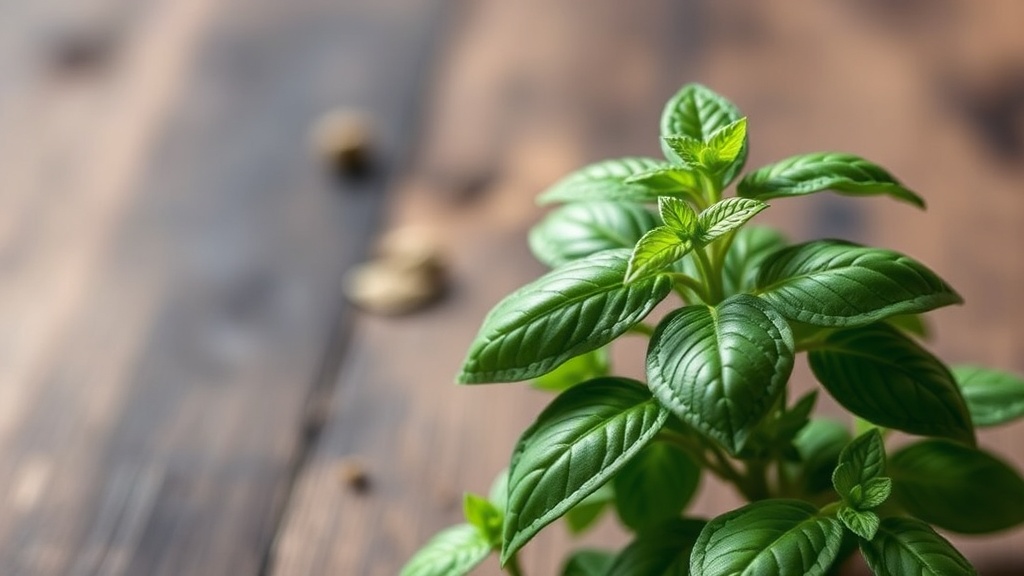
Finding Balance with Holy Basil for Stressful Days

Are you feeling the physical weight of a high-stress week settling into your shoulders or stomach? This guide explores how holy basil, also known as tulsi, works to support your body's response to stress and how you can incorporate it into your daily routine. We'll look at the science behind adaptogens, different ways to consume the herb, and what to watch out for regarding safety and quality.
What is Holy Basil?
Holy basil is an adaptogenic herb from the Lamiaceae family that helps the body maintain equilibrium during periods of physical or emotional stress. Often referred to as "Tulsi" in Ayurvedic traditions, this plant isn't just a kitchen spice—it's a functional botanical used for centuries in India. It contains a unique profile of phytochemicals, including eugenol, which provides its distinct peppery, clove-like scent.
Unlike a stimulant that gives you a temporary spike in energy, holy basil aims for a steady state. It's a bit like a thermostat for your internal systems. When things get too high, it helps bring them down; when you're feeling depleted, it supports your resilience. (It's not a magic fix, but it's a reliable tool in a wellness kit.)
While many people are familiar with regular basil (*Ocimum basilicum*) used in pesto, holy basil is a different species entirely. You can find it in several varieties, such as Krishna Tulsi or Vana Tulsi, each with slight variations in potency and flavor. Most commercial products you'll find in health food stores, like those from Mountain Rose Herbs, are standardized for consistent quality.
How Does Holy Basil Help with Stress?
Holy basil works primarily by modulating the body's endocrine and nervous systems to mitigate the effects of cortisol. When we experience stress, our adrenal glands pump out cortisol—the "stress hormone." While cortisol is necessary for survival, chronic elevation leads to that frazzled, burnt-out feeling we all dread.
Research suggests that the compounds in tulsi may help regulate the hypothalamic-pituitary-adrenal (HPA) axis. This is the complex communication network between your brain and your adrenal glands. By supporting this axis, holy basil helps prevent the "crash" that often follows a period of intense pressure. It's a subtle approach to wellness—not a sudden shift, but a gradual stabilization.
Here are a few ways it specifically interacts with your well-being:
- Cortisol Regulation: It helps dampen the excessive production of stress hormones.
- Blood Sugar Support: Some studies suggest it may assist in maintaining healthy glucose levels, which often fluctuate during stress.
- Mental Clarity: By reducing the physiological load of stress, it can help clear the "brain fog" that often accompanies anxiety.
If you've already experimented with other nervine herbs, you might find this familiar. For instance, if you've looked into using oat straw for a calmer nervous system, you'll notice that holy basil operates on a similar principle of long-term support rather than immediate sedation.
What Are the Best Ways to Take Holy Basil?
The best way to consume holy basil depends on your lifestyle and how much time you have for a ritual. You can find it in several forms, ranging from a simple cup of tea to concentrated tinctures or capsules.
1. Loose Leaf Tea
This is perhaps the most common method. Steeping dried holy basil leaves in hot water allows the essential oils to infuse into the liquid. It has a warm, spicy flavor that pairs beautifully with a slice of ginger or a touch of honey. If you enjoy a slow morning, this can be a grounding ritual.
2. Tinctures
If you're someone who needs something fast and portable, a tincture is a great option. Tinctures are concentrated liquid extracts. You can add a few drops to a small amount of water or even directly under your tongue. It's a more efficient way to get the botanical into your system during a busy workday.
3. Capsules and Supplements
For those who want a standardized dose without the taste of herbs, capsules are the way to go. This is often the preferred method for people tracking specific dosages. Just ensure you are buying from a reputable source to avoid fillers or low-quality extracts.
| Form | Best For... | Pros | Cons |
|---|---|---|---|
| Tea | Ritual & Relaxation | Hydrating, soothing, and flavorful. | Takes time to prepare; less concentrated. |
| Tincture | On-the-go Support | Fast absorption; easy to carry. | Strong herbal taste; can be expensive. |
| Capsule | Consistent Dosing | No taste; precise measurement. | Requires swallowing pills; less "ritualistic." |
Is Holy Basil Safe to Use Daily?
For most healthy adults, holy basil is considered safe for daily consumption when taken in moderate amounts. However, because it is a potent botanical, there are a few things you should keep in mind before adding it to your pantry.
First, if you are pregnant or nursing, you should avoid holy basil. There isn't enough clinical evidence to guarantee its safety for fetal development, and in traditional medicine, it is sometimes used to help regulate cycles. If you are trying to conceive, it might be worth chatting with your healthcare provider first.
The second thing to watch is blood sugar. Because holy basil can lower blood glucose levels, people taking medication for diabetes (like insulin) should be cautious. Combining the herb with glucose-lowering medication could potentially cause your blood sugar to drop too low. It's not a "danger" per se, but it's a variable that needs monitoring.
Lastly, be aware of potential interactions with blood-thinning medications. Since holy basil may have mild anti-platelet effects, it could theoretically increase the risk of bruising or bleeding if you're already on a regimen like aspirin or warfarin. You can check the Wikipedia page for Holy Basil to see more detailed botanical classifications and traditional uses.
Worth noting: Always source your herbs from brands that provide third-party testing. You want to know that your "calming tea" isn't actually a cocktail of heavy metals or pesticides. Quality control matters more than the price tag here.
How Do I Know If It's Working?
You won't feel the effects of holy basil immediately like you would with a cup of coffee or a glass of wine. Adaptogens are subtle. They are long-game players. Most people find that the benefits become apparent after two to four weeks of consistent use.
Instead of looking for a "high" or a sudden sense of euphoria, look for the absence of the "edge." You might notice that when a stressful email hits your inbox, your heart rate doesn't spike quite as sharply. Or perhaps you find that you aren't as exhausted by 3:00 PM. These small shifts in your baseline are the real indicators of success.
It's also helpful to track your baseline stress levels. Are you sleeping better? Is your digestion more regular? Stress often shows up in the body before we even realize it's happening mentally. By paying attention to these physical cues, you can better understand how the herb is interacting with your unique biology.
If you find that you need more support for your digestive system during stressful times, you might also enjoy drinking warm lemon water in the morning to help prime your system for the day ahead.
Don't expect a total transformation overnight. This is about building a toolkit of support that works with your body, not against it. Whether you choose a tea or a capsule, the goal is to create a sense of steady, reliable calm in an often chaotic world.