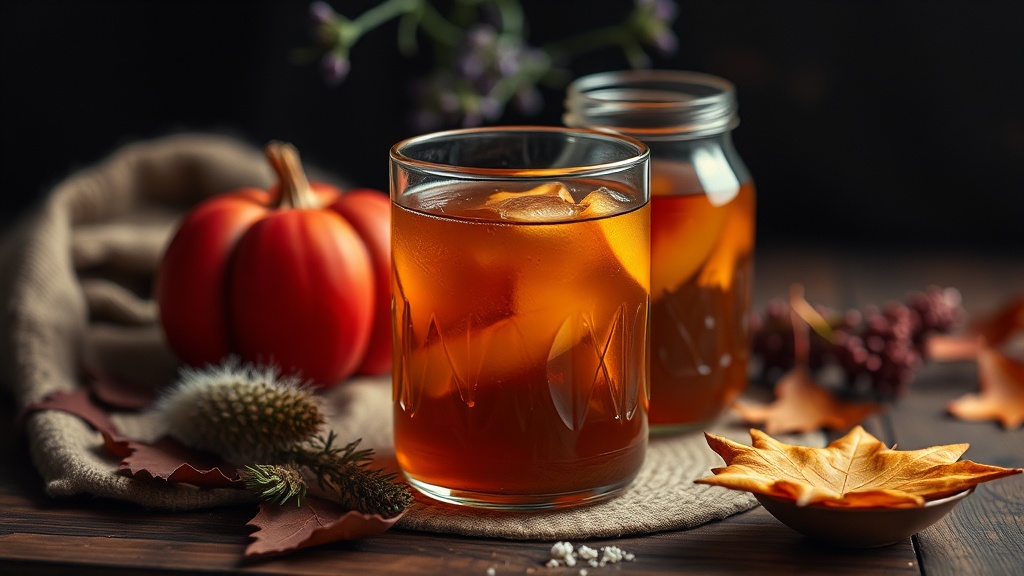
Savoring the Seasons: Crafting a Warm Botanical Tonic for Autumnal Vitality

The morning air carries a sudden, sharp edge. A single leaf, once vibrant green, drifts onto a porch step, now a brittle shade of ochre. Inside, the light has shifted from the bright, expansive clarity of July to a soft, amber-hued dimness that settles early in the afternoon. This transition often brings a subtle physiological shift: a dip in energy, a tightening in the chest, and a subconscious craving for warmth that goes beyond mere temperature.
As the seasons pivot from the outward-facing vitality of summer to the inward-looking introspection of autumn, our nutritional and ritualistic needs shift as well. In many holistic traditions, autumn is a period of "harvest and release." It is a time to gather what is nourishing and let go of what is no longer serving the system. Crafting a botanical tonic is not merely about making a beverage; it is about utilizing specific plant chemistry to support the body’s transition through changing light cycles and decreasing temperatures.
The Science of Seasonal Adaptogens and Warming Botanicals
To understand why certain ingredients feel "right" in October or November, we must look at their thermogenic and adaptogenic properties. During autumn, the body often faces increased cortisol fluctuations due to shorter daylight hours. This can manifest as fatigue or a disrupted circadian rhythm. Incorporating adaptogens—substances that help the body manage stress—can provide a steady foundation of energy without the jittery spike of caffeine.
Ginger (Zingiber officinale) is a primary thermogenic. It stimulates circulation and aids digestion, which is crucial as our metabolic rate shifts. Cinnamon (Cinnamomum verum), specifically the high-quality Ceylon variety, helps stabilize blood sugar levels, preventing the mid-afternoon energy crashes common during seasonal transitions. Finally, Cardamom (Elettaria cardamomum) acts as a gentle carminative, soothing the digestive tract and adding a complex, aromatic depth that signals the nervous system to move into a parasympathetic (rest-and-digest) state.
For those looking to deepen their evening ritual, integrating herbs that support sleep hygiene is a natural progression. You might find that incorporating specific botanical rituals for deep rest complements the warmth of an autumnal tonic by preparing the mind for the longer nights ahead.
Essential Equipment and High-Quality Ingredients
The efficacy of a tonic relies heavily on the quality of the raw materials. Avoid the pre-ground spice jars found in standard grocery aisles, as these often contain fillers or have lost their volatile oils through oxidation. Instead, source whole spices and organic dried herbs.
The Toolkit
- A heavy-bottomed saucepan: A cast iron or stainless steel pot (like those from All-Clad) ensures even heat distribution, preventing the delicate botanicals from scorching.
- A fine-mesh sieve or cheesecloth: Necessary for straining out the particulate matter to ensure a smooth, silky texture.
- A mortar and pestle: Essential for bruising whole spices to release their essential oils before brewing.
- Glass storage jars: To store your finished tonic or dried blends, protecting them from light and air.
The Botanical Profile
For this specific tonic, we are focusing on a blend that supports both metabolic warmth and cognitive calm. Ensure your ingredients are organic to avoid pesticide residue, which can disrupt endocrine function during sensitive seasonal shifts.
- Fresh Ginger Root: Provides a sharp, spicy base.
- Ceylon Cinnamon Sticks: Provides a mellow, sweet warmth.
- Star Anise: Adds a subtle licorice note and supports digestive ease.
- Dried Orange Peel: Adds bright, citrusy top notes to balance the heavy spices.
- Ashwagandha Root Powder: An adaptogen to support the adrenal system.
Step-by-Step: Crafting the Autumnal Vitality Tonic
This recipe is designed for a single, large serving (approximately 16 ounces) that can be sipped slowly over the course of an hour. The goal is a slow infusion, not a rapid boil, to preserve the medicinal integrity of the herbs.
Phase 1: The Decoction
A decoction is different from a standard tea. While a tea (infusion) involves pouring hot water over leaves, a decoction involves simmering hard plant materials (roots, bark, and seeds) in water to extract their denser constituents. This is necessary for the ginger and cinnamon to truly yield their benefits.
- Prepare the Aromatics: Take a 2-inch piece of fresh ginger root. Instead of peeling it, simply scrub it clean and slice it into thin coins. Using a mortar and pestle, lightly bruise two whole star anise pods to crack the outer shell.
- Combine: Place the ginger slices, two cinnamon sticks, and the bruised star anise into your saucepan. Add 2 cups of filtered water (such as Spring Water or filtered tap water).
- The Low Simmer: Bring the water to a very gentle simmer over medium-low heat. Do not let it reach a rolling boil, as excessive heat can degrade certain volatile compounds. Cover the pot with a lid to trap the steam and essential oils.
- Timing: Let the mixture simmer for 15 to 20 minutes. The water should reduce slightly and turn a deep, amber color.
Phase 2: The Infusion and Finishing
Once the decoction is complete, we introduce the more delicate elements that require a shorter contact time with heat.
- Add the Citrus and Adaptogens: Remove the lid and add 1 tablespoon of dried organic orange peel and 1/2 teaspoon of organic Ashwagandha powder.
- The Steep: Turn off the heat completely. Replace the lid and let the mixture steep for an additional 5 to 7 minutes. This allows the orange peel to infuse its bright scent without becoming bitter.
- Strain: Place your fine-mesh sieve over a ceramic mug or a glass carafe. Pour the liquid through the sieve, pressing down on the solids with a spoon to extract every last drop of the infused liquid.
Phase 3: Customizing the Experience
While the tonic is potent on its own, you may wish to adjust the flavor profile based on your personal sensory preferences. Acknowledging these preferences is a key part of mindful nourishment.
- For Sweetness: Add a teaspoon of raw, unpasteurized honey or maple syrup. Honey, in particular, has its own soothing properties for the throat during the cooler months.
- For Creaminess: Stir in a splash of full-fat coconut milk or oat milk. This transforms the tonic into something akin to a "golden milk" and adds healthy fats that aid in the absorption of fat-soluble compounds in the spices.
- For Brightness: A squeeze of fresh lemon juice can lift the heavier notes of the star anise and ginger.
Integrating the Ritual into Your Daily Rhythm
To truly benefit from this practice, view the creation of the tonic as a ritual rather than a chore. This is a moment of intentionality. Instead of drinking it while scrolling through a digital feed, try setting the scene. Perhaps you choose a specific ceramic mug that feels heavy and grounding in your hands. Perhaps you sit by a window to watch the light fade, or by a fireplace to feel the physical warmth.
The act of slow sipping encourages the body to transition from the "doing" mode of the day into the "being" mode of the evening. This is particularly important as we move into the darker half of the year, where the nervous system requires more explicit cues to settle. If you find that your digestive rhythm is also shifting with the season, you might explore strategies for maintaining gut harmony alongside your botanical infusions.
"Nourishment is not just about the caloric density of what we consume, but the intention and the sensory experience we bring to the act of eating and drinking."
As you finish your tonic, notice the warmth traveling from your throat down to your chest. Notice the lingering scent of cinnamon and the way the ginger leaves a slight, pleasant heat on your tongue. This is the essence of autumnal vitality: a slow, grounded, and deeply nourishing return to the self.
Steps
- 1
Select Your Base Roots
- 2
Infuse with Warming Spices
- 3
Sweeten with Natural Nectar
- 4
Sip with Intention