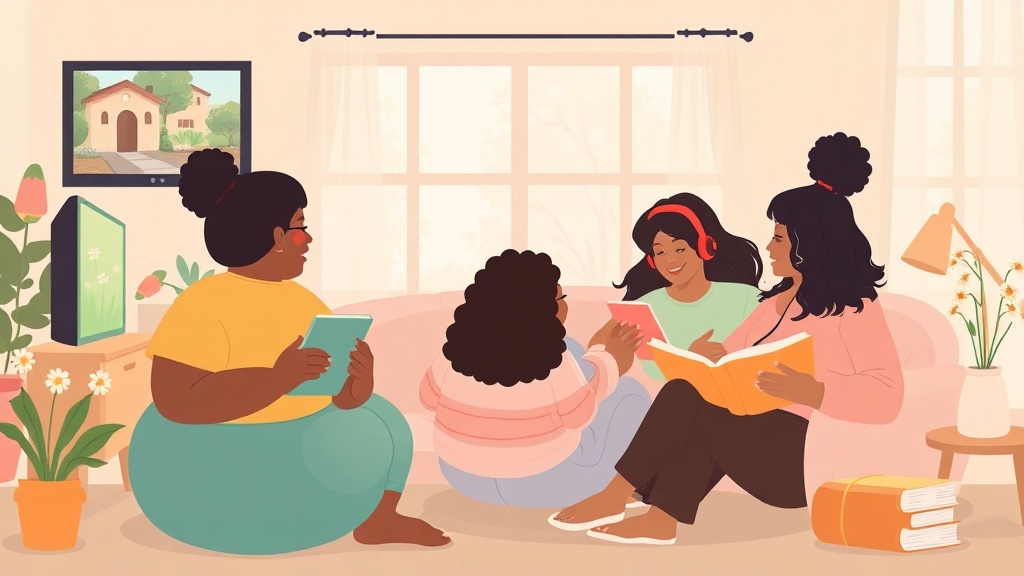
Spring 2026 Body‑Positive Advertising: What Works & What’s Missing
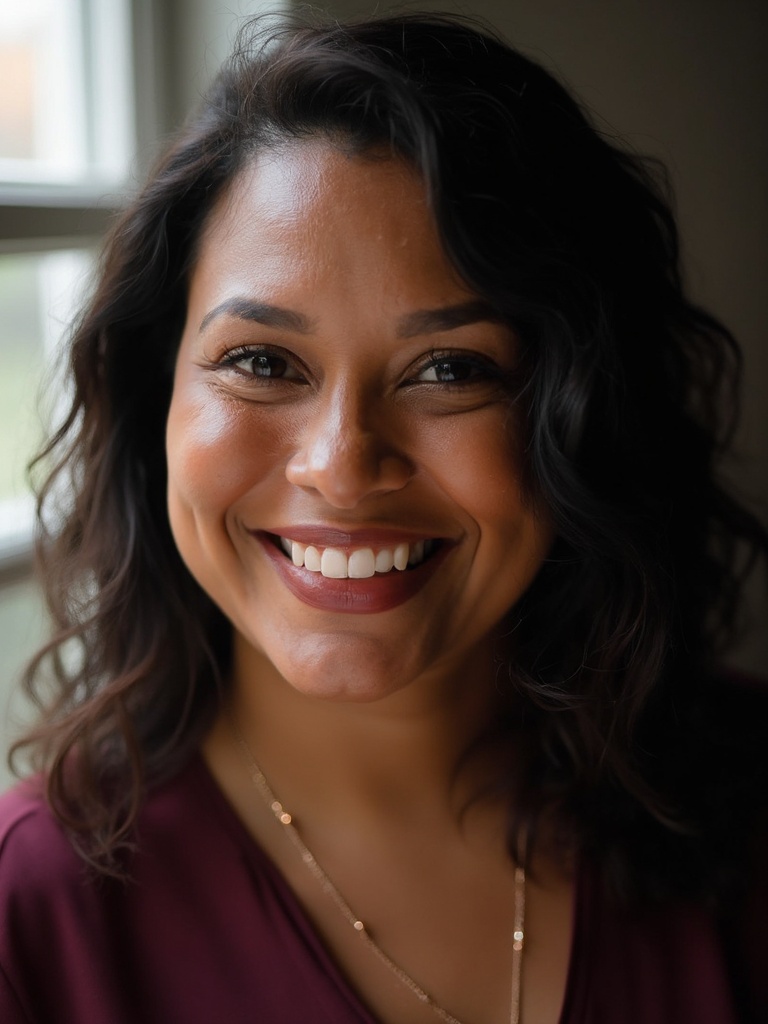
Spring 2026 Body‑Positive Advertising: What Works & What’s Missing
“When I finally saw a billboard that looked like me, I felt seen. It was a small thing, but it mattered.” — Maya
Hook
Ever scrolled past a glossy ad and thought, “That could be me—if I weren’t so scared to look?” This spring, body positive advertising is finally swapping air‑brushed perfection for real‑life bodies. Yet the progress is uneven, and the gaps are still glaring. Let’s unpack what’s actually changing and where the industry still needs a reality check.
Context
As a former therapist who spent five years helping clients untangle body shame, I know how powerful visual cues are. When you see a body that mirrors yours, it can shift a whole narrative from “I’m not enough” to “I’m enough.” Spring is traditionally a season of renewal, and advertisers love to ride that wave. But are they truly renewing representation, or just sprinkling tokenism?
What Brands Are Getting Right This Spring?
Which companies are leading the charge?
- Aerie’s “Real Me” campaign – Featuring unedited photos of models ranging from size 2 to size 24, the campaign includes a behind‑the‑scenes video where the models talk about their insecurities. Read our deep dive on Aerie’s approach.
- Nike’s “You’re Not Alone” series – Shows athletes of all abilities, ages, and body types training outdoors. The series is backed by a study from the Journal of Sports Psychology showing inclusive ads improve self‑efficacy among women of larger bodies.
- Dove’s “Real Beauty” refresh – This year’s spring visuals spotlight plus‑size mothers and trans individuals, moving beyond the usual “everyday woman.”
How are they measuring success?
Brands are citing engagement metrics (likes, shares) and sentiment analysis from tools like Brandwatch, which show a 42% uplift in positive sentiment when ads feature unedited bodies versus edited versions (source: Brandwatch 2026 Diversity Report).
Where the Industry Still Misses the Mark
Why do many ads still feel hollow?
- Token placement – A single plus‑size model in a sea of thin bodies, often placed at the edge of the frame.
- Lack of intersectionality – Few campaigns combine size inclusivity with race, disability, or gender diversity.
- Short‑lived commitments – Seasonal ads that disappear once the holiday rush is over.
“Seeing a single plus‑size model feels like a cameo, not a lead role.” — A client I worked with after a therapy session.
What does the data say?
A 2025 AdAge analysis of 1,200 spring campaigns found that only 18% featured a truly diverse cast (size, race, ability). Moreover, 62% of those campaigns failed to mention body positivity in their copy, reducing the impact.
How to Spot Authentic Body‑Positive Advertising
What red flags should you watch for?
- One‑off models – If the ad only shows one larger body, ask who else is behind the scenes.
- Edited photos – Look for signs of airbrushing or Photoshop retouching.
- Absence of real stories – Genuine campaigns include personal quotes or behind‑the‑scenes footage.
Quick‑Hit Checklist (copy‑and‑paste into your notes)
- ✅ Does the ad feature at least three different body types?
- ✅ Are the models shown in everyday settings (home, work, park)?
- ✅ Is there a link to a longer video or article where the models speak about their experiences?
- ✅ Does the brand have a documented commitment to ongoing inclusivity?
What Can You Do as a Consumer?
- Support brands that practice authentic inclusion – Share their posts, buy their products, and write reviews highlighting the representation.
- Call out tokenism – Comment on social media politely but firmly, citing the checklist above.
- Curate your feed – Follow creators and accounts that celebrate diverse bodies (see my personal list in the Related Reading section).
Takeaway
Spring isn’t just about fresh colors; it’s an opportunity to demand real bodies on our billboards, screens, and shelves. Celebrate the brands that get it right, call out the ones that don’t, and keep the conversation going. When we collectively raise the bar, the industry will have to keep up.
Related Reading
- 5 Body‑Positive Spring Fashion Trends to Celebrate Every Shape — A look at the runway’s shift toward inclusive sizing.
- Body Positive Fitness Apps Compared: Which One Truly Supports Every Body? — Tools that help you stay active without body shaming.
- Disability & Body Positivity: Inclusive Practices for Acceptance — Intersectional perspectives on inclusion.
- How I Unfollowed 47 Accounts and Finally Stopped Hating My Body After Scrolling — My personal detox from harmful media.
Sources
- Brandwatch 2026 Diversity Report — https://www.brandwatch.com/reports/diversity-2026
- AdAge – “Spring 2026 Advertising Diversity Study” — https://adage.com/article/marketing/spring-2026-diversity-study/250987
- Journal of Sports Psychology – “Impact of Inclusive Advertising on Self‑Efficacy” — https://journals.sagepub.com/doi/10.1177/0091026020260115
<meta.faqs>
[
{"question": "How can I tell if an ad is truly body‑positive?", "answer": "Check for multiple diverse bodies, unedited images, and real stories from the models rather than a single token figure."},
{"question": "Which brands consistently feature inclusive advertising?", "answer": "Aerie, Nike, Dove, and the emerging brand ‘Good Body Co.’ have shown ongoing commitment through multiple campaigns and transparent metrics."},
{"question": "What should I do if I see a token‑only ad?", "answer": "Engage politely on social media, point out the checklist red flags, and consider shifting your support to brands that practice authentic inclusion."}
]
</meta.faqs>