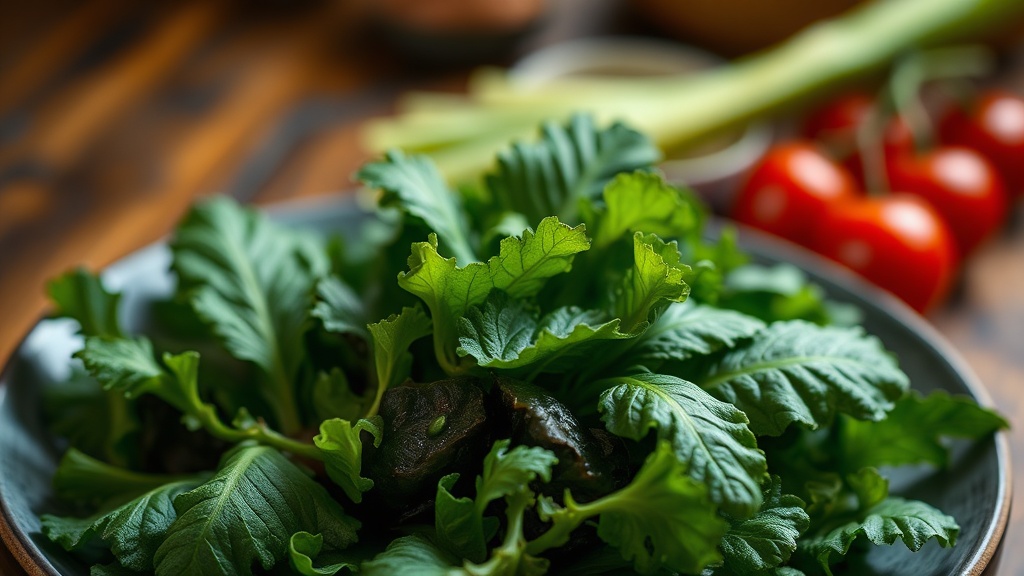
Why You Should Eat More Bitter Greens

Quick Tip
Incorporate a small amount of bitter greens before your main meal to stimulate digestive enzymes.
Why You Should Eat More Bitter Greens
You finish a heavy, savory meal and feel that familiar, sluggish sensation of bloating or indigestion. Instead of reaching for a sugary dessert or a heavy coffee to settle your stomach, adding a handful of bitter greens to your plate can actually signal your body to digest more efficiently. This post explores how incorporating bitter flavors like arugula, radicchio, and dandelion greens can support your digestive health and metabolic function.
The Science of Bitterness
Bitterness isn't just a flavor profile; it is a biological trigger. When bitter compounds touch your tongue, they stimulate the vagus nerve, which in turn triggers the production of digestive enzymes and stomach acid. This process, often called the "bitter reflex," helps your body break down fats and proteins more effectively. By intentionally including these flavors, you are working with your biology rather than against it.
Specifically, bitter foods can help with:
- Stimulating Bile Production: Bitter compounds encourage the liver to release bile, which is essential for fat digestion.
- Blood Sugar Regulation: Incorporating greens like endive or radicchio can help mitigate the sharp glucose spikes often seen after eating refined carbohydrates.
- Gut Microbiome Support: Many bitter greens are high in prebiotic fiber, which feeds the beneficial bacteria in your gut. For more on supporting your internal ecosystem, read our guide on nurturing your gut and microbiome harmony.
How to Incorporate Bitters into Your Routine
If you aren't used to the sharp bite of bitter vegetables, do not try to eat a large bowl of plain kale or dandelion greens immediately. Start by balancing the bitterness with healthy fats, acids, or slight sweetness to make the transition palatable and enjoyable.
- The Salad Base: Swap standard romaine for a mix of Radicchio and Arugula. Dress it with a heavy pour of extra virgin olive oil and a squeeze of fresh lemon juice to mellow the bite.
- The Warm Side: Sauté Brussels Sprouts or Collard Greens in coconut oil with a pinch of sea salt. The heat reduces the intensity of the bitterness while retaining the nutritional density.
- The Pre-Meal Tonic: If you are eating a particularly rich meal, try a small glass of water with a splash of organic apple cider vinegar or a few leaves of fresh mint to prime your digestive tract.
Note: If you are currently taking medication for blood pressure or blood sugar, consult with a healthcare provider before significantly increasing your intake of certain bitter herbs or greens like dandelion, as they can interact with specific prescriptions.