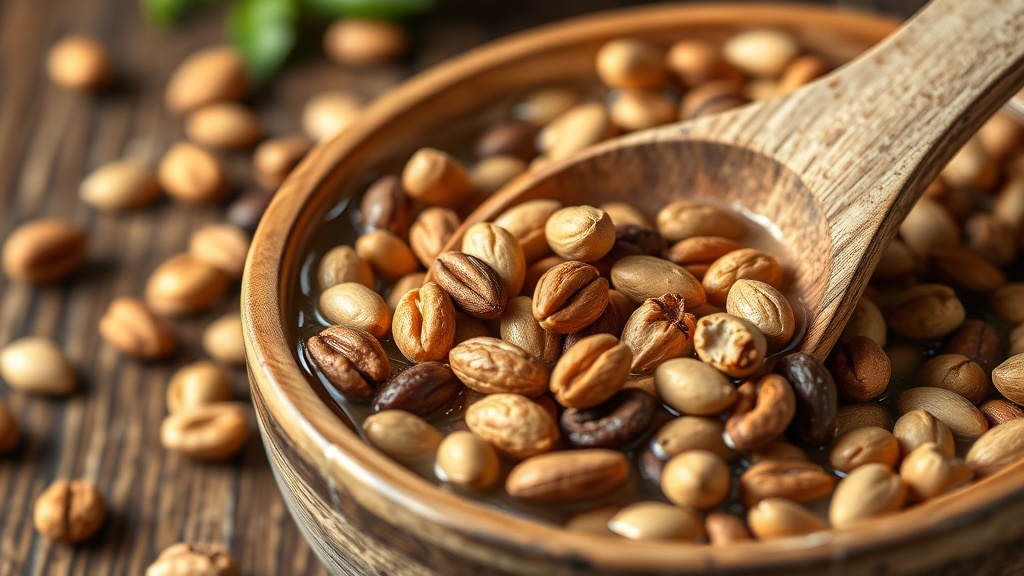
Why You Should Soak Your Nuts and Seeds

Quick Tip
Soaking nuts and seeds neutralizes anti-nutrients like phytic acid, making minerals easier for your body to absorb.
Up to 30% of the weight in a handful of raw almonds or walnuts is actually comprised of antinutrients, specifically phytic acid. This post explains why soaking your nuts and seeds is a vital step in holistic nutrition to ensure your body actually absorbs the minerals you are paying for.
The Science of Phytic Acid and Enzyme Inhibitors
Raw nuts and seeds are biological powerhouses, but they are also designed by nature to stay dormant. To prevent premature germination, they contain phytic acid and enzyme inhibitors. While these are not "toxic" in the traditional sense, they can bind to essential minerals like magnesium, calcium, iron, and zinc in your digestive tract, preventing your body from absorbing them effectively. This process, known as chelation, can leave you feeling nutrient-deficient even if your diet looks balanced on paper.
By soaking these foods, you are essentially "tricking" the seed into thinking it is time to grow. This process neutralizes the phytic acid and activates enzymes that make the nutrients more bioavailable. This is particularly important for those focusing on holistic wellness, as it maximizes the nutritional density of every bite.
How to Soak Different Varieties
Not every nut or seed requires the same amount of time or temperature. To avoid spoilage or mold, follow these specific guidelines:
- Almonds: Soak in filtered water for 8 to 12 hours. You will notice the brown skin (the pellicle) begins to slip off easily; you can rub this off to further reduce tannins.
- Walnuts and Pecans: These are more delicate. A 4 to 6-hour soak in room temperature water is usually sufficient.
- Cashews: These only require a 2 to 4-hour soak. Over-soaking can lead to a mushy texture that is difficult to use in sauces.
- Sunflower and Pumpkin Seeds: A 6-hour soak is ideal to soften the outer shell and improve digestibility.
Practical Implementation Tips
To ensure your soaked nuts remain safe and nutritious, follow these three rules:
- Use Filtered Water: Avoid using tap water with high chlorine levels, as the chemical residue can affect the delicate fats in the nuts.
- Add a Pinch of Sea Salt: Adding a small amount of Celtic sea salt or Himalayan pink salt to the soaking water can help neutralize the phytic acid more efficiently.
- Rinse Thoroughly: Once the soaking time is complete, rinse the nuts under cool running water until the water runs clear. This washes away the neutralized phytic acid and any released tannins.
If you are looking to improve your overall digestive comfort, you might also consider drinking fennel tea after meals to assist with bloating and nutrient absorption.