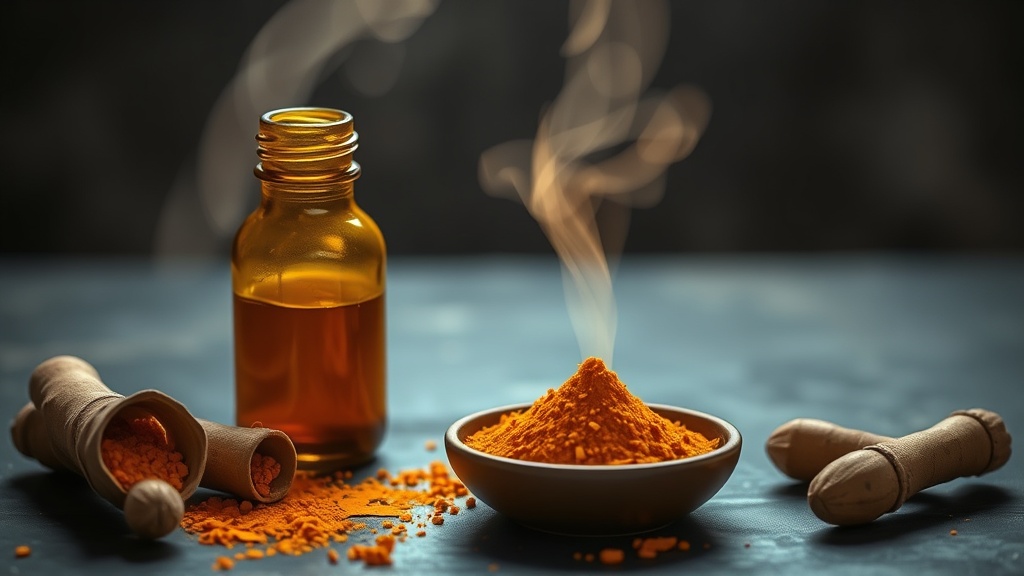
Why You Should Try Incorporating Turmeric into Your Evening Routine

Many people assume that turmeric is primarily a culinary spice used for flavoring curries or a supplement meant for intense post-workout inflammation. This narrow view overlooks its most potent application: a foundational tool for evening restorative rituals. Incorporating turmeric into your nighttime routine can assist with systemic inflammation, support digestive ease after dinner, and help regulate the body's transition into sleep. This guide explores the physiological benefits of turmeric during the evening hours and provides practical methods for integration.
The Science of Curcumin and Evening Recovery
The primary active compound in turmeric is curcumin, a polyphenol known for its bioactive properties. While many focus on its anti-inflammatory effects during high-intensity activity, the evening is actually the most strategic time to utilize it. During sleep, your body undergoes significant cellular repair and detoxification processes. By introducing curcumin in the evening, you provide the biochemical support necessary for these restorative functions.
Reducing Systemic Inflammation
Chronic inflammation often manifests as physical discomfort or restlessness during the night. Curcumin works by inhibiting specific inflammatory pathways, such as the NF-kB molecule. When you consume turmeric in the evening, you are essentially signaling to your body that it is time to move from a state of "defense" to a state of "repair." This can be particularly helpful for individuals dealing with joint stiffness or muscle soreness that often peaks when the body is still.
Supporting the Gut-Brain Axis
The digestive system is deeply connected to the nervous system. If your evening meal was heavy or if you struggle with bloating, the anti-inflammatory properties of turmeric can soothe the gastrointestinal tract. A calm gut often leads to a calm mind, making the transition to sleep more seamless. This is why many holistic practitioners recommend a warm, turmeric-infused beverage roughly 60 to 90 minutes before bed.
Optimizing Bioavailability: The Golden Rules
One of the most common mistakes in using turmeric is consuming it in isolation. Curcumin is notoriously difficult for the human body to absorb on its own. To see actual physiological benefits, you must follow specific pairing protocols. Without these, the curcumin will likely pass through your system without being effectively utilized by your cells.
- Pair with a Healthy Fat: Curcumin is fat-soluble. This means it requires lipids to be absorbed through the intestinal wall. When making a nighttime drink, always include a source of fat such as coconut milk, almond milk, or a teaspoon of coconut oil.
- The Black Pepper Requirement: Piperine, the active compound found in black pepper, has been shown to increase the bioavailability of curcumin by up to 2,000%. Even a tiny pinch of ground black pepper in your evening tea or latte is enough to trigger this effect.
- Temperature Matters: Heat helps to break down the tough cellular structure of the spice, making the nutrients more accessible. Consuming turmeric in a warm liquid, rather than a cold smoothie, is more effective for evening relaxation.
Three Practical Evening Rituals Using Turmeric
Depending on your evening energy levels and dietary preferences, you can use turmeric in several different ways. These are not just recipes, but functional tools for your wellness toolkit.
1. The Traditional Golden Milk (Turmeric Latte)
This is the most effective way to use turmeric for deep relaxation. The combination of fats and warm liquids creates a heavy, comforting sensation that signals the end of the day.
- Ingredients: 1 cup of unsweetened coconut milk (full fat is best for absorption), 1/2 teaspoon of organic turmeric powder, a pinch of black pepper, and a small piece of fresh grated ginger.
- Method: Gently heat the coconut milk in a small saucepan over low heat. Do not let it reach a rolling boil, as excessive heat can degrade some of the delicate compounds. Whisk in the turmeric, pepper, and ginger.
- Customization: Add a teaspoon of raw honey or maple syrup if you require a slight sweetness, but keep it minimal to avoid blood sugar spikes before bed.
2. The Digestive Support Infusion
If your primary goal is to settle a restless stomach or reduce bloating after dinner, a lighter tea is more appropriate than a heavy latte. This is an excellent companion to using dandelion root for liver support, as both focus on gentle detoxification and digestive ease.
- Ingredients: 1 cup of hot water, 1/2 teaspoon of turmeric powder, 1 teaspoon of coconut oil (to ensure fat-solubility), and a squeeze of fresh lemon.
- Method: Stir the turmeric and oil into the hot water. The oil is crucial here since you are not using a heavy milk base. Let it steep for 5 minutes before sipping slowly.
3. The Savory Evening Tonic
For those who do not enjoy sweet or milky beverages at night, a savory tonic can be highly effective. This is a more "functional" approach often used in traditional Ayurvedic practices to settle the system.
- Ingredients: 1 cup of warm vegetable broth, 1/2 teaspoon of turmeric, a pinch of sea salt, and a dash of black pepper.
- Method: Heat the broth and whisk in the spices. This is particularly helpful if you have a savory palate and find sweet drinks unappealing before sleep.
Potential Side Effects and Considerations
While turmeric is a natural and generally safe spice, it is a potent biological agent. It is important to approach it with awareness of your specific body chemistry. If you are currently taking blood-thinning medications (such as Warfarin or even high doses of Aspirin), consult with a healthcare professional before significantly increasing your turmeric intake, as turmeric can have mild anticoagulant properties.
Staining and Sensitivity
Be aware that high-quality turmeric can stain surfaces, teeth, and clothing. When incorporating it into your evening routine, use ceramic mugs rather than plastic, and rinse your mouth with water after drinking to prevent temporary staining of the teeth. Additionally, if you have a known allergy to the Zingiberaceae family (which includes ginger), proceed with caution, as there can be some cross-reactivity.
Building a Consistent Routine
The benefits of turmeric are cumulative. While you may feel the immediate soothing effects of a warm drink, the systemic anti-inflammatory benefits are realized through consistent, long-term use. Do not view this as a one-off remedy for a bad night's sleep, but rather as a foundational element of your evening hygiene.
To make this a sustainable habit, try to pair your turmeric ritual with another calming activity. For example, you might drink your Golden Milk while practicing gentle stretching or while using magnesium baths for better sleep. By layering these wellness practices, you create a multi-sensory signal to your nervous system that the day is over and it is safe to rest.
Practical Implementation Checklist:
- Keep high-quality, organic turmeric powder in a glass jar near your tea kettle.
- Always ensure you have a source of black pepper and a healthy fat (like coconut oil or nut milk) on hand.
- Set a specific time for your "turmeric ritual"—ideally 60-90 minutes before your intended sleep time.
- Observe how your body responds to different versions (the creamy latte vs. the light tea) to see which serves your specific digestive needs best.