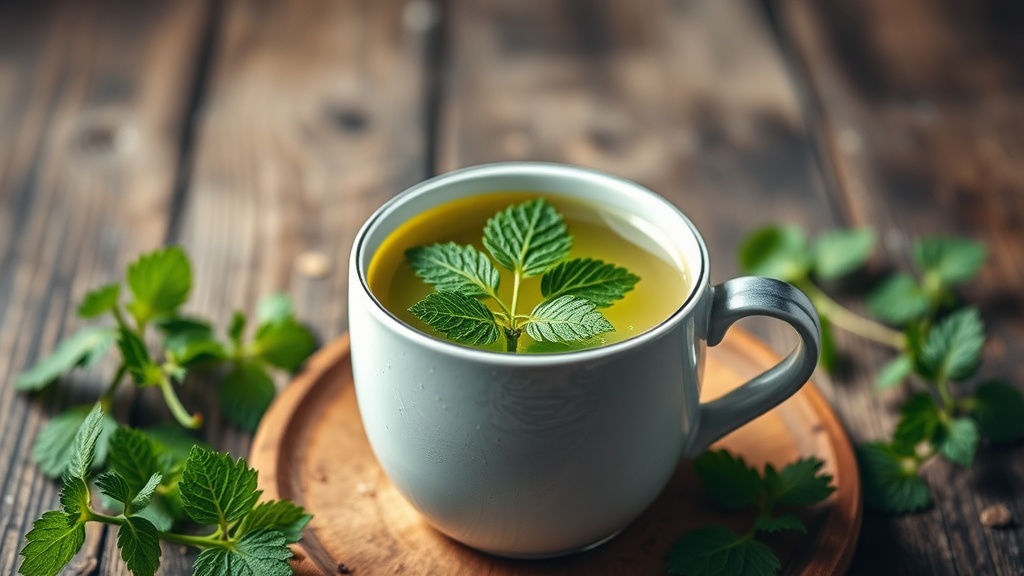
How to Make Your Own Nettle Tea at Home

Learn how to harvest, prepare, and brew stinging nettle tea to support your mineral intake and overall wellness.
Nettle tea is a nutrient-dense infusion used widely in holistic wellness to provide a natural source of iron, calcium, and magnesium. Making your own nettle tea at home allows you to control the quality of your ingredients and ensures you are using fresh, organic plants rather than processed tea bags. This guide covers the practical steps of sourcing nettles, the drying process, and the specific brewing techniques required to extract the most beneficial nutrients from the leaves.
Understanding the Benefits of Stinging Nettle
Stinging nettle (*Urtica dioica*) is a powerhouse of micronutrients. Unlike many commercial herbal teas that serve primarily as flavor enhancers, nettle tea is a functional beverage. It is particularly high in chlorophyll, which supports blood health, and contains a significant amount of minerals that are often depleted in modern diets. Many people use it as a tonic to support seasonal transitions or to provide a gentle boost to their mineral levels.
The plant is also known for its ability to support kidney function and provide a gentle diuretic effect. Because it is so nutrient-dense, it is often used in wellness routines alongside other botanical supports. For example, if you are looking for ways to diversify your herbal pantry, you might also explore using dandelion root for liver support to complement your holistic approach to nutrition.
Sourcing and Harvesting Your Nettles
You have two primary options for sourcing your nettles: harvesting them from the wild or purchasing organic dried/fresh leaves from a reputable supplier. If you choose to harvest them yourself, you must follow strict safety and identification protocols.
Foraging Safely
If you are foraging, ensure you are working with a trusted source or a local botanical expert to confirm the plant is indeed Urtica dioica. Avoid harvesting near busy roads, industrial areas, or agricultural fields where chemical pesticides and herbicides may have been sprayed. The soil quality directly impacts the mineral density of the leaves.
- Wear Protection: Always wear thick, long-sleeved gloves and long pants. The "sting" is caused by tiny silica hairs that inject formic acid into the skin.
- Timing: Harvest in the spring or early summer when the leaves are young and tender. Older leaves can be more fibrous and less potent in flavor.
- Tools: Use sharp garden shears to take clean cuts. This prevents tearing the plant stem, which can lead to disease in the remaining plant.
- Selection: Look for the top 4–6 inches of the plant. These young leaves contain the highest concentration of nutrients and have a milder sting.
Purchasing Pre-made Ingredients
If you prefer not to forage, look for organic, loose-leaf nettle tea from brands like Mountain Rose Herbs or Traditional Medicinals. When buying, ensure the leaves are a vibrant green color. If the leaves look brown or dusty, they have likely oxidized and lost much of their nutritional value.
How to Dry Fresh Nettle Leaves
If you have harvested fresh nettles, you cannot use them immediately in a tea infusion without a drying or cooking step to neutralize the sting. Drying the leaves is the best way to preserve them for long-term use in your pantry.
The Air-Drying Method
This is the most traditional method and preserves the delicate oils within the leaf. It requires patience but results in high-quality tea.
- De-sting the Leaves: Place your harvested nettles in a large bowl and cover them with lukewarm water. The water neutral besides neutralizing the sting, it also washes away any dirt or debris.
- Bunching: Gather small bundles of stems and tie them together with natural twine or a rubber band.
- Hanging: Hang the bundles upside down in a cool, dark, well-ventilated area. A pantry or a room with a ceiling fan works well. Avoid direct sunlight, as UV rays will degrade the chlorophyll.
- Monitoring: The process typically takes 1 to 2 weeks. The leaves are ready when they crumble easily between your fingers.
The Dehydrator Method
If you want a faster result, use a food dehydrator. Set the device to the lowest possible temperature, ideally below 95°F (35°C). High heat will destroy the heat-sensitive vitamins and minerals. Spread the leaves in a single layer on the trays and dry until they are crisp.
Brewing Techniques: Infusion vs. Decoction
There are two distinct ways to prepare nettle tea depending on whether you are using fresh leaves or dried leaves, and how much potency you desire. For maximum mineral extraction, a long-steeped infusion is generally preferred.
The Standard Herbal Infusion
This method is best for daily drinking and uses a standard tea steeper. It is ideal for dried nettle leaves.
- Ratio: Use 1 tablespoon of dried nettle leaves per 8 ounces of water.
- Water Temperature: Bring water to a boil, then let it sit for 60 seconds so it is just below boiling (approximately 200°F).
- Steeping Time: Pour the water over the leaves in a mug or a teapot. Cover the vessel with a lid or a saucer to prevent the steam (and essential oils) from escaping. Steep for 5 to 10 minutes.
The Deep Mineral Infusion (Nettle Decoction/Long Infusion)
To truly unlock the minerals like calcium and magnesium, you need a much longer steeping time. This creates a "strong infusion" that is more of a nutritive tonic than a standard cup of tea.
- Container: Use a glass Mason jar.
- Ratio: Use 1 cup of dried nettle leaves to 1 quart (32 oz) of water.
- Process: Place the leaves in the jar and fill with hot (not boiling) water.
- Duration: Cover the jar and let it sit on your counter for 4 to 8 hours. Some practitioners even leave it overnight.
- Storage: Strain the liquid through a fine-mesh sieve or cheesecloth into a clean glass bottle and store it in the refrigerator. This can be consumed as a daily wellness tonic.
Flavor Profiles and Customization
Nettle tea has a distinct flavor profile: it is earthy, slightly "green," and reminiscent of spinach or hay. While many enjoy it plain, you can customize the flavor to suit your palate. Because it is a savory-leaning herb, it pairs well with other botanical elements.
- For Brightness: Add a squeeze of fresh lemon juice or a slice of ginger to cut through the earthiness.
- For Sweetness: A small amount of raw honey complements the vegetal notes of the nettle.
- For a Refreshing Twist: If you have made a long infusion, you can serve it cold over ice with a sprig of fresh mint. This is a great way to utilize the tea during warmer months, similar to how one might use hibiscus tea for natural vitality.
Storage and Safety Information
Proper storage ensures that your homemade nettle tea remains a potent wellness tool rather than a wasted resource.
Storing Dried Leaves: Keep your dried nettle leaves in an airtight glass jar. Store the jar in a cool, dark cupboard. Avoid storing them near your stove or any heat source, as heat and light are the enemies of herbal potency. Your dried nettles should remain viable for approximately 6 to 12 months.
Storing Liquid Infusions: If you have made a long-steeped mineral infusion, it must be kept in the refrigerator. Because it is a water-based botanical extract without preservatives, it will only stay fresh for 3 to 5 days. If the liquid develops an unusual odor or looks cloudy, discard it immediately.
A Note on Safety: While nettle tea is generally considered safe for most people, it is a natural diuretic. If you are currently taking medication for blood pressure, diabetes, or blood clotting, or if you are pregnant or breastfeeding, consult with a healthcare professional before adding regular nettle consumption to your routine. Always listen to your body and start with smaller amounts to see how your digestion responds.
Steps
- 1
Gather your dried organic nettle leaves
- 2
Heat fresh spring water to just below boiling
- 3
Steep the leaves for 10 to 15 minutes
- 4
Strain the tea and enjoy warm or chilled