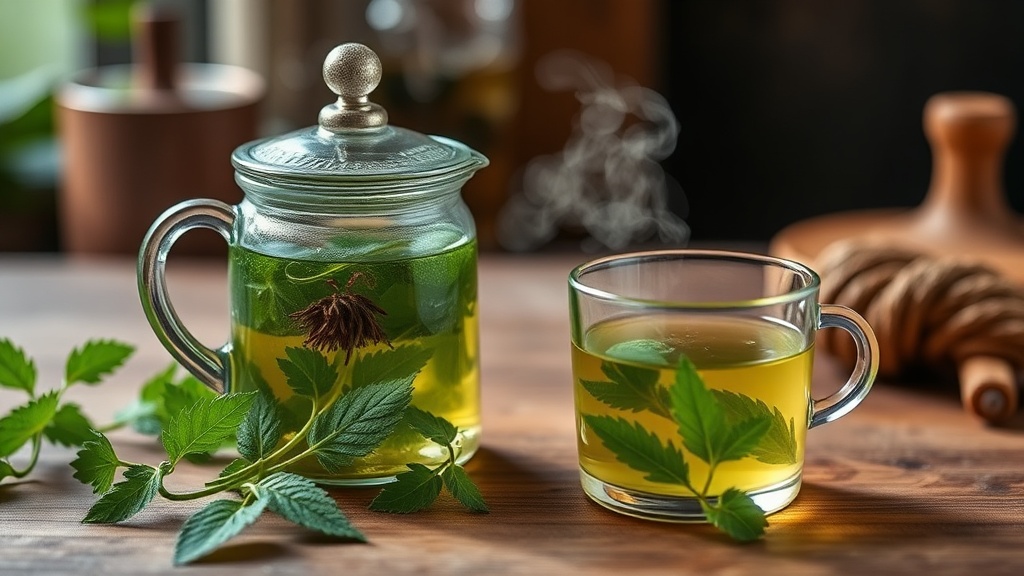
Why You Should Brew Your Own Nettle Tea

Stinging nettle (*Urtica dioica*) contains up to 40 times the amount of calcium found in spinach and is a significant source of iron, magnesium, and vitamin K. This post explores the nutritional profile of nettle tea, its specific therapeutic benefits for inflammation and hormonal regulation, and the practical steps required to brew a potent infusion at home. Understanding how to use this botanical can help you support your body's natural functions without relying on highly processed supplements.
The Nutritional Profile of Nettle
Nettle is often classified as a "nutrient-dense weed," but in holistic wellness, it is regarded as a premier nutritive tonic. Unlike many commercial herbal teas that offer primarily flavor, nettle tea provides a high concentration of bioavailable minerals. The plant is particularly rich in chlorophyll, which plays a vital role in supporting blood health and oxygen transport. When you consume nettle, you are ingesting a complex matrix of micronutrients that are often stripped away in modern agricultural processes.
Key nutrients found in nettle include:
- Iron: Essential for preventing fatigue and supporting healthy red blood cell production.
- Silica: A trace mineral that supports connective tissue, skin elasticity, and hair strength.
- Magnesium: Crucial for muscle relaxation and nervous system regulation.
- Vitamin K: Necessary for bone density and healthy blood coagulation.
Because nettle is a mineral-rich plant, it works best when used consistently. Rather than treating it as a one-off remedy, think of it as a foundational tool for long-term nourishment. If you are already focusing on dietary shifts, such as learning why you should eat more bitter greens, adding nettle tea to your routine is a seamless way to increase your mineral intake.
Therapeutic Benefits for Inflammation and Hormonal Health
One of the primary reasons to incorporate nettle into your wellness routine is its ability to modulate inflammation. Nettle contains compounds that act as natural antihistamines. This makes it a valuable tool for individuals dealing with seasonal allergies or systemic inflammation. By stabilizing the body's histamine response, nettle can help reduce the severity of hay fever symptoms and skin irritations.
Supporting the Adrenal Response
Nettle is an adaptogenic-adjacent herb, meaning it helps the body manage stress more effectively. It is particularly useful for those who experience "adrenal fatigue" or high cortisol levels. While it is not a stimulant, its high mineral content supports the adrenal glands during periods of high stress. If you are currently managing a high-stress lifestyle, you might also want to investigate why your coffee habit might be messing with your cortisol to ensure you are not over-taxing your system.
Hormonal Balance and Menstrual Support
For many women, nettle tea serves as a reliable companion during different phases of the menstrual cycle. Its high iron content helps replenish the body during menstruation, while its ability to support liver detoxification helps the body process and clear excess estrogen. This can lead to a reduction in the intensity of menstrual cramps and the systemic discomfort often associated with hormonal fluctuations.
How to Source and Prepare Nettle Tea
To get the most out of your tea, you must distinguish between a standard "tea bag" and a true "infusion." Most commercial tea bags contain only a small amount of dried leaf, which provides flavor but lacks the deep mineral density of a properly prepared nettle infusion. For maximum benefit, you should use loose-leaf dried nettle or fresh nettle harvested from a clean environment.
Sourcing Your Nettle
If you are harvesting your own, ensure you are working in an area free from pesticides, heavy metals, and herbicides. Stinging nettles are bioaccumulators, meaning they absorb what is in the soil. If you are buying dried nettle, look for organic, high-quality brands like Mountain Rose Herbs or Starwest Botanicals. These suppliers prioritize organic growing practices that ensure the mineral integrity of the plant remains intact.
The Difference Between Steeping and Infusing
A standard cup of tea is "steeped" for 5 to 10 minutes in hot water. This is sufficient for flavor, but it is insufficient for mineral extraction. To actually access the silica, calcium, and magnesium, you must perform a "long infusion." This process involves using a much higher volume of plant material and a much longer brewing time.
Step-by-Step Guide to a Nettle Infusion
- Measure your herbs: Use 1 cup of dried nettle leaves for every 1 quart (4 cups) of water.
- Prepare the water: Bring your water to a boil in a glass or stainless steel vessel. Avoid using aluminum, as the acidity of the tea can react with the metal.
- Combine: Place the dried nettles in a quart-sized Mason jar and pour the boiling water over them.
- The Long Wait: Seal the jar and let it sit for at least 4 to 8 hours. For a very potent, deeply colored infusion, some practitioners even leave it overnight.
- Strain and Store: Strain the liquid through a fine-mesh sieve or cheesecloth into a clean glass pitcher.
The resulting liquid will be a deep, dark green. This color is a visual indicator of the high chlorophyll and mineral content. You can store this infusion in your refrigerator for up to 3 to 5 days. It can be consumed cold or gently reheated on the stove.
Practical Tips for Consumption
Nettle tea has a distinct, "green" flavor—it is earthy, slightly reminiscent of spinach, and has a mild, savory undertone. If you find the taste too intense at first, you can easily customize your experience without stripping the tea of its benefits.
- Temperature Control: While many people prefer drinking it cold as a refreshing tonic, drinking it warm can be more soothing for digestion.
- Flavor Additions: A squeeze of lemon juice can brighten the earthy flavor. If you prefer a sweeter profile, a small amount of raw honey works well, though be mindful of your sugar intake goals.
- Daily Routine: Aim to drink 1 to 2 cups of your infusion daily. Consistency is more important than quantity; a small daily dose is more effective for mineral replenishment than a large dose once a week.
"The goal of herbalism is not to 'fix' a symptom, but to provide the body with the elemental building blocks it needs to find its own equilibrium."
Precautions and Considerations
While nettle is generally considered safe for most people, there are specific instances where caution is required. Because nettle can act as a mild diuretic (increasing urination), it may affect how your body processes certain medications. If you are currently taking diuretics, blood pressure medication, or blood thinners, consult with a healthcare professional before adding regular nettle infusions to your diet.
Additionally, if you are pregnant or breastfeeding, it is essential to speak with your doctor or a qualified herbalist. While nettle is often used in prenatal nutrition, the specific timing and dosage should be monitored by a professional to ensure it aligns with your individual health needs.
Finally, if you are harvesting fresh nettle, always wear gloves. The "sting" is caused by tiny, hollow hairs called trichomes that inject formic acid into the skin. Once the plant is dried or cooked, these hairs are neutralized, making the plant perfectly safe to consume and handle.